Display Ad Networks: The Types That Matter and How to Choose

Allocating ad budget to visual placements forces you to evaluate dozens of channels at once. Most vendors highlight massive reach and smart audience tools, but telling platforms apart requires looking under the hood.
The heavy lifting comes down to online display advertising networks. They function as the core connector between your ad creatives and publisher placements, whether your audience scrolls news portals, uses mobile apps, or watches online clips. Different display ad networks excel in different areas, offering varied inventory access, data sources, and strengths. Choosing an aligned partner keeps ad spend focused on high converting placements.
This guide details how display ad networks function behind the scenes, outlines key network types, and works through a display ad networks list worth reviewing before launching campaigns.
What a Display Ad Network Actually Does
Every ad network platform operates as a marketplace between two key parties: brands buying ad space and publishers offering real estate on websites, mobile apps, or streaming media.
The platform handles the connection. Marketers define campaign objectives, spending limits, and audience targets, while content creators plug their available slots into the system. An ad server works behind the scenes to automate delivery, choosing which creative fills a specific slot for a given user in real time.
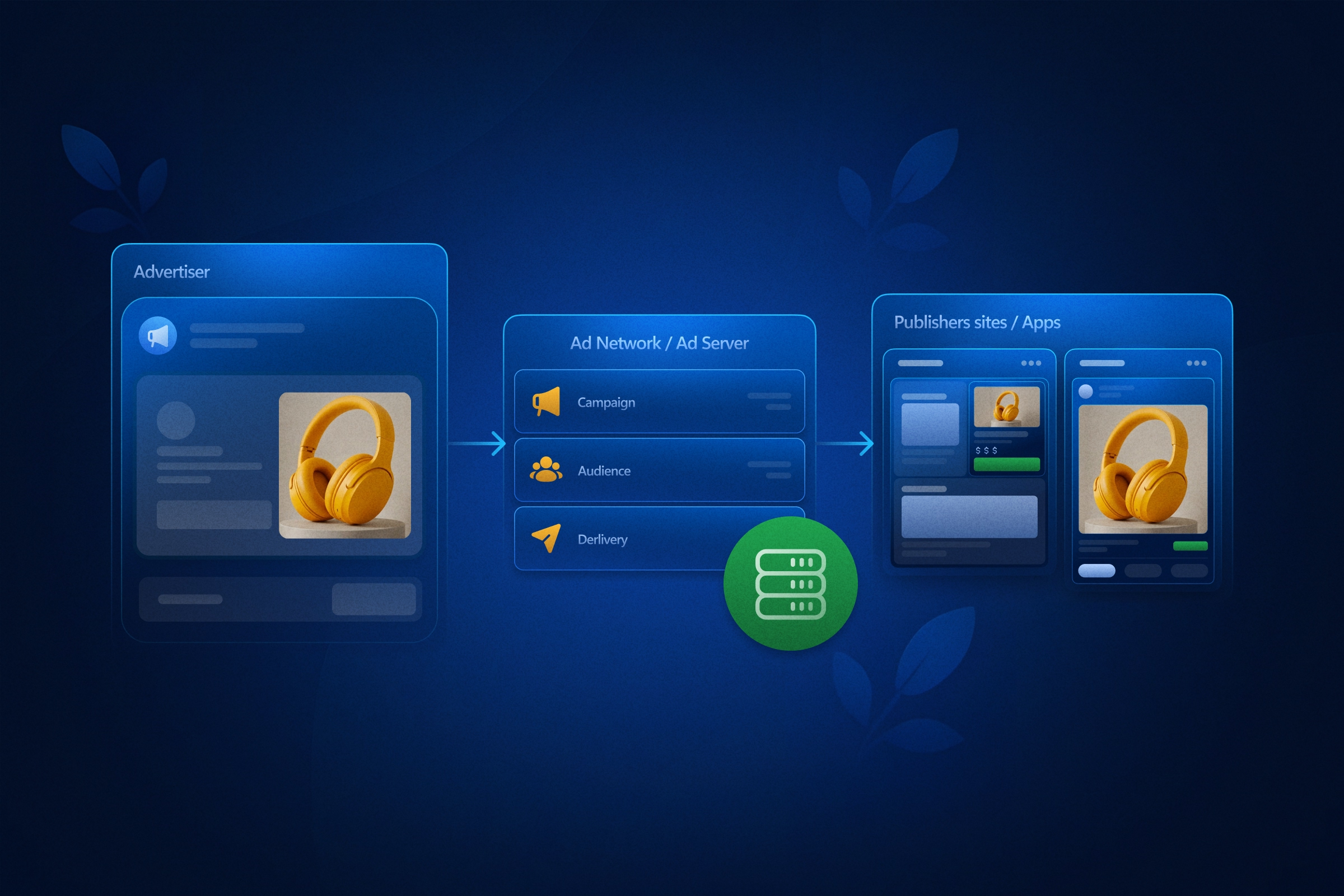
This setup enables smaller businesses to run campaigns across thousands of digital properties without pitching individual sites.
The network provides the existing publisher relationships and delivery software, allowing advertisers to launch campaigns while the system manages distribution. Much of that targeting precision comes down to location data, covered in this breakdown of geographic segmentation.
Display Ad Networks vs. Ad Exchanges vs. DSPs
Marketers frequently mix up the following terms. But each of them handles a specific job within programmatic media buying.
To summarize, a network is a curated inventory seller, an exchange is the open trading engine, and a DSP is your unified software tool for making bids.
Many modern vendors offer hybrid setups that touch all three, causing ongoing confusion around the names. DSPs are especially common in B2B buying, where these ABM stats show how account-based targeting drives ROI at scale.
The Main Types of Display Ad Networks
Not all popular ad networks on the market work the same way. Most fall into one of six broad categories, based on the kind of inventory they offer, how open or closed that inventory is, and who they're built to serve.
Premium Networks
Premium networks prioritize placement quality over mass volume. They partner directly with established publishers known for vetted content, authentic traffic, and strong brand safety.
You trade raw reach for better performance. While you will not get the massive impression numbers of an open exchange, your ads land on high viewability pages without risking your brand reputation.
Programmatic Networks
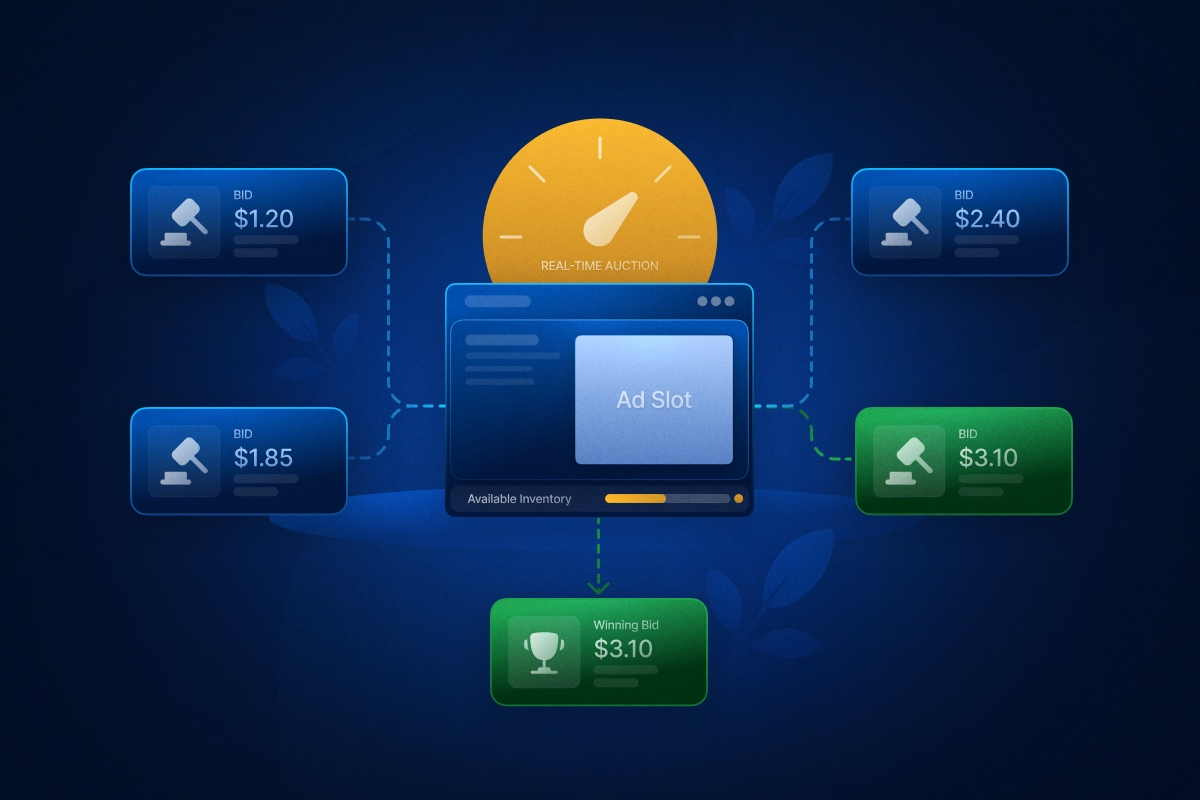
Programmatic networks rely entirely on automated software. Algorithms evaluate user targeting and handle bidding in real time, matching your creative to open placements the moment a page loads.
This automation makes scaling straightforward. A single campaign reaches thousands of sites automatically while the system continuously optimizes bids based on live performance data.
Niche and Vertical Specific Networks
Niche networks focus exclusively on a single industry or audience segment such as finance, healthcare, or gaming. They skip broad reach to concentrate on targeted relevance.
Context drives performance here. Placing a financial ad inside a dedicated personal finance site reaches people already interested in the topic, yielding higher engagement despite smaller overall traffic.
Self Serve and SMB Friendly Networks
Self serve networks give advertisers direct control over campaign setup, adjustments, and budgeting without requiring a dedicated account representative. Everything runs through a central user dashboard.
This setup fits smaller brands and independent marketers. You get low minimum spending limits and quick deployment without navigating complex corporate accounts.
Horizontal Networks
Horizontal networks offer maximum reach across nearly every industry, topic, and demographic group.
Many top horizontal platforms operate as closed digital ecosystems. They collect first party user data directly, manage their own inventory, and deliver in house reporting. This model gives you granular audience targeting built on proprietary data rather than third party web scraping.
Specialized Networks
Specialized networks focus entirely on one distinct ad format or delivery style rather than general banner ad networks. Native ad platforms serve as the prime example, blending sponsored articles seamlessly into surrounding site content.
Focusing on a single format builds deep technical expertise. These networks maintain publisher partnerships optimized specifically for high converting, native placements, similar to the tradeoffs covered in this guide to static and dynamic ad formats.
The Best Display Ad Networks to Know
With the categories above in mind, here are five of the best ad networks worth understanding well. Each one maps to a category from the section above, and each brings a different strength to the table depending on your goal.
Google Ads
Google Ads manages display placements through the Google Display Network, a broad ecosystem that covers over 90% of global internet users across more than two million sites, mobile apps, and video properties. Official Google documentation confirms this reach, placing the platform among the largest ad inventory pools in the world.

The network relies on Google's proprietary user data, combining the following data:
These work with targeting options like:
Google continues shifting much of this display inventory into Demand Gen campaigns, combining display, YouTube, and Discover placements under a single campaign structure.
This massive coverage makes Google Ads an ideal baseline for brand awareness and remarketing efforts requiring broad exposure.
When you want to expand paid media performance, layering the Google Display Network alongside paid search provides immediate, high volume reach.
Meta Ads
Meta Ads provides broad campaign reach across Facebook, Instagram, Messenger, and external mobile properties via the Meta Audience Network.
Rich first party data powers the entire network. Targeting tracks real user behavior across Meta properties, giving advertisers precision that open web exchanges cannot offer. Meta now emphasizes automated audience models over manual interest categories. Machine learning algorithms analyze live campaign data to locate likely buyers automatically.
Brands choosing Meta Ads gain access to precise targeting tools and highly visual ad units. Combining these features with pixel data helps turn cold traffic into repeatable sales.
Microsoft Advertising
Microsoft Advertising controls an ad network spanning Bing search, media sites like MSN and Outlook, and the Microsoft Audience Network. This network distributes banner and native ads across Microsoft media and external publisher spaces.
User profile characteristics make this network uniquely valuable. Traffic skews toward desktop users, higher income households, and B2B professionals. The platform also features exclusive audience targeting powered by LinkedIn profile signals. Because market saturation remains lower here than on Google, advertisers often secure lower impression costs across key categories. But you should check the gap as it’s worth confirming against current Bing Ads costs.
This network provides an ideal strategic partner to Google Ads rather than a direct replacement. It captures valuable professional segments and affluent consumers that standard Google campaigns can overlook.
Taboola
Taboola operates a specialized ad platform focused on native content recommendations. Ads load as suggested stories or media elements at the bottom of web pages, blending naturally into editorial feeds without annoying site visitors.

The platform offers broad reach across thousands of news, lifestyle, and media websites. Flexible publisher requirements help Taboola cover small independent blogs as well as major online publications. This inventory depth gives media buyers plenty of room to test messaging and expand winning offers.
Because native advertising relies on seamless reader engagement, Taboola delivers optimal returns for educational and mid funnel content. Informative guides, review articles, and educational content convert far more effectively than immediate sales pitches.
Outbrain (now part of Teads)
Outbrain built its brand on native recommendation feeds and sponsored article widgets. The company finalized its merger with video network Teads in early 2025. It also completed a full corporate rebrand under the Teads name shortly after. Today, advertisers access Outbrain native ad technology through the unified Teads platform interface.
Historically, Outbrain maintained strict entry standards for website owners, partnering primarily with tier one news sites and national publications. This strict vetting created a more polished environment compared to open networks. The merger with Teads added video and connected TV reach to Outbrain established native ad footprint.
This network appeals to advertisers who want high viewability and premium placement context without compromising their brand safety standards.
How to Choose the Right Network Type for a Campaign
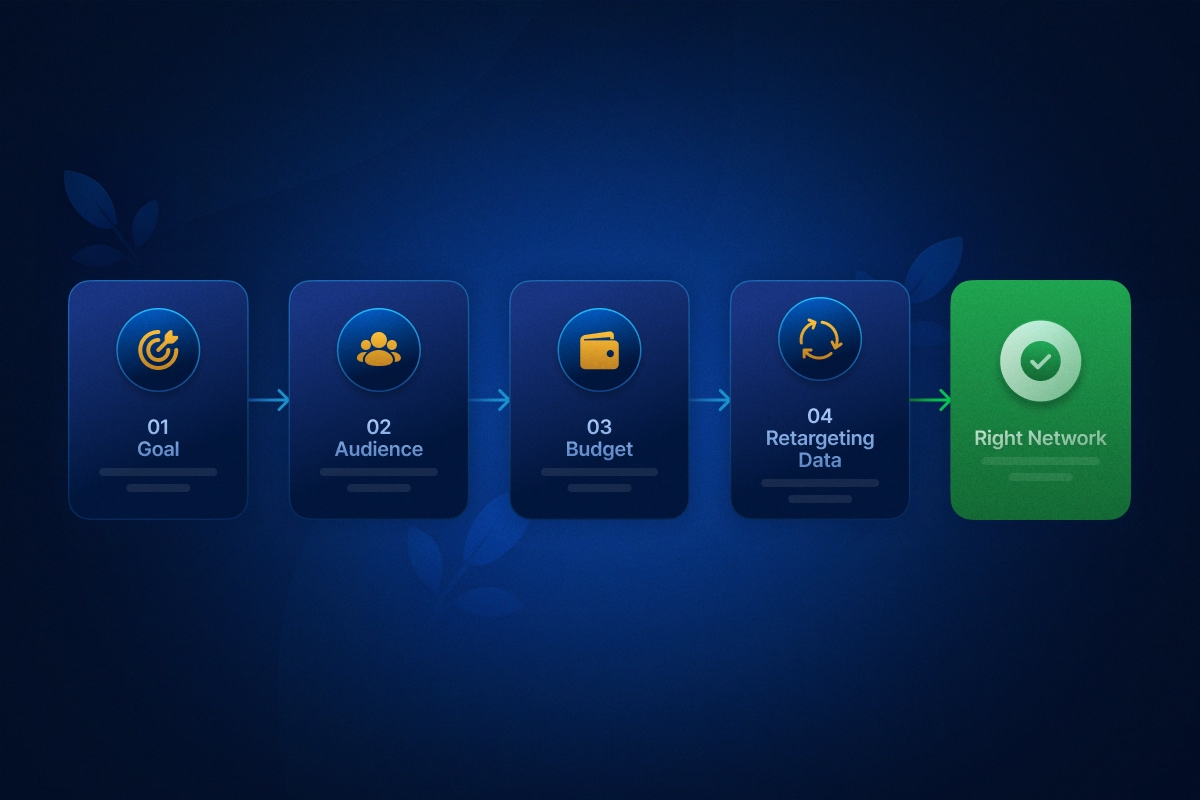
Choosing the right platform comes down to evaluating a few core criteria.
Common Mistakes When Choosing a Display Ad Network
Wasting ad spend on display placements usually stems from strategic misalignment rather than bad creative alone. Spotting these execution errors helps you maximize campaign ROI across every channel.
Conclusion
There's no single best advertising network for every business, since every setup needs a slightly different combination. Choosing suitable display ad networks comes down to clear goals, target buyers, and the customer data you already own.
Google Ads and Meta Ads offer massive reach when you need quick volume. Microsoft Advertising fills in the gaps by reaching corporate buyers during their workday. Native platforms like Outbrain get your brand in front of readers while they consume articles.
You rarely need to pick just one platform forever. Mixing complementary ad channels usually brings in the best return on your investment. Reach out to Uproas to map out a clear media buying strategy for your brand.
FAQs


Latest blogs
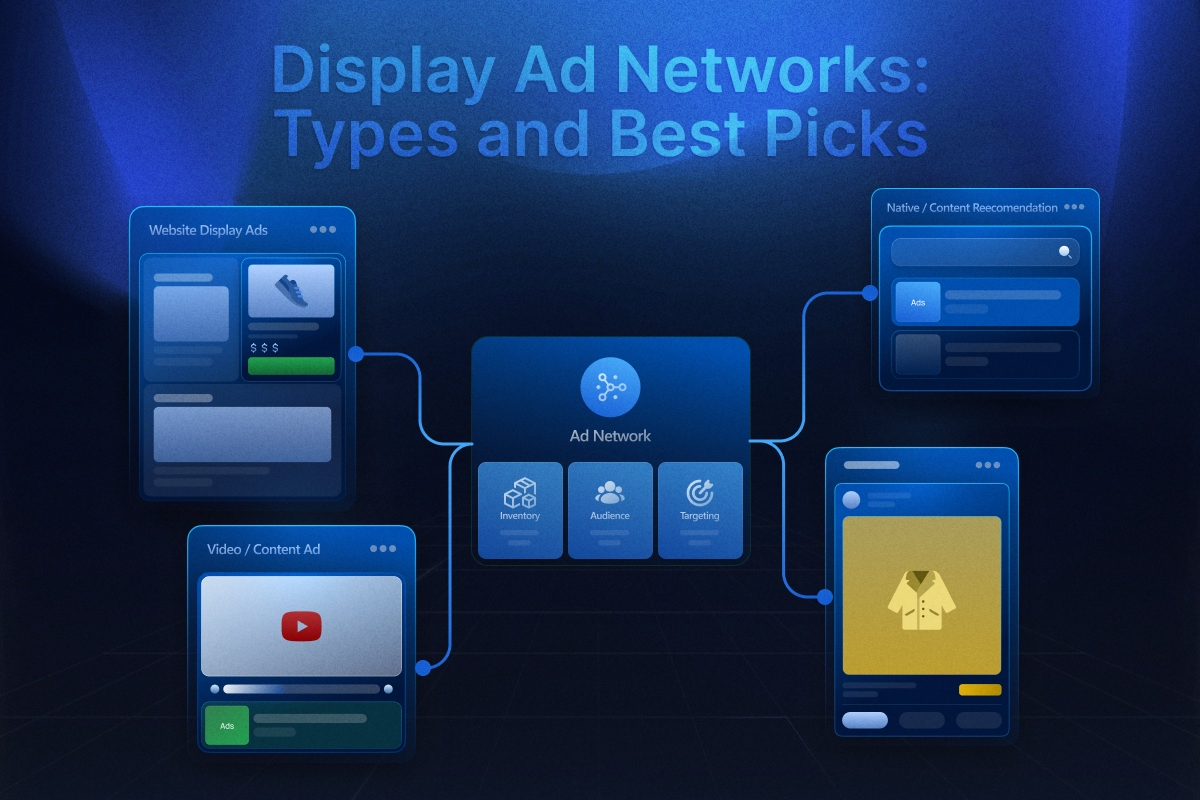
Display Ad Networks: The Types That Matter and How to Choose
Learn how display ad networks work, the main types available, and which networks are worth your budget in this practical, no-fluff buyers guide.
Ad Revenue Explained: How It Works & Key Models
Struggling to scale ad revenue? Learn how CPM and CPC auctions actually work to stop losing money on low bids. Read the full breakdown today!
Marketing Mix Modeling: Master Revenue Growth
Stop trusting broken attribution data. Learn how marketing mix modeling bypasses tracking limits to uncover true revenue and optimize ad spend.
Types of Retargeting: The Full Guide for Marketers
Explore major types of retargeting, from pixel-based to dynamic and sequential, and learn how to combine them into a converting campaign.
Targeted Advertising: How It Works and How to Use It Well
Build a bulletproof targeted advertising strategy. Turn raw behavioral data into profitable segments using our step-by-step optimization plan.
Retargeting vs Remarketing: The Difference Every Marketer Needs to Know
Stop treating Retargeting vs Remarketing as identical. Use a precise, high-impact framework to weaponize your data and maximize conversions.

Google Ads Cost: What You'll Really Pay (By Industry, Campaign Type, and Business Size)
Stop wasting budget on vague pricing. See exact 2026 Google ads cost benchmarks by industry, real CPC data, and the formula to reduce your ad spend.

Types of Facebook Ads: A Complete Guide to Every Format in 2026
See all types of Facebook ads, including current specs, placements, and objectives, plus a matching table to pick the right format for your goal.
ABM Stats: 2026 Benchmarks, ROI & Trends
From ROI to pipeline velocity, these 2026 ABM stats show exactly why account-based marketing dominates B2B growth.