Ad Revenue Explained: How It Works & Key Models

Have you ever wondered how your favorite websites and apps stay completely free to use? The simple answer is ad revenue.
At its base definition, ad revenue is the money earned from displaying advertisements to visitors. Yet that definition changes depending on your role in the business. Content creators count this money as income from showing ads on their pages. Businesses purchasing ad space look at it as the investment needed to find new buyers.
This complete guide explains how ad revenue works from top to bottom. You will learn about common ad pricing models, how major networks generate steady profits, and what all of this means whether you earn ad dollars or pay for ads yourself.
What Ad Revenue Means
In basic terms, ad revenue means the income made by displaying or running ads. That sounds simple enough, but the phrase gets applied across several different levels.
Knowing the exact level someone is talking about helps you make sense of the real numbers in front of you.
Ad Revenue at the Publisher Level
On a smaller scale, ad revenue refers to what a single website, mobile app, or online creator makes by showing ads to visitors. For instance, a blog with banner ads, a mobile game showing video rewards, or a YouTube channel running video ads all generate ad revenue. They trade audience attention and space on screen for real income.
This money often flows in from different sources at once. A publisher might sell some ads directly to a company for a fixed price. They might fill other ad spots automatically using an ad network that runs real time auctions for every spot.
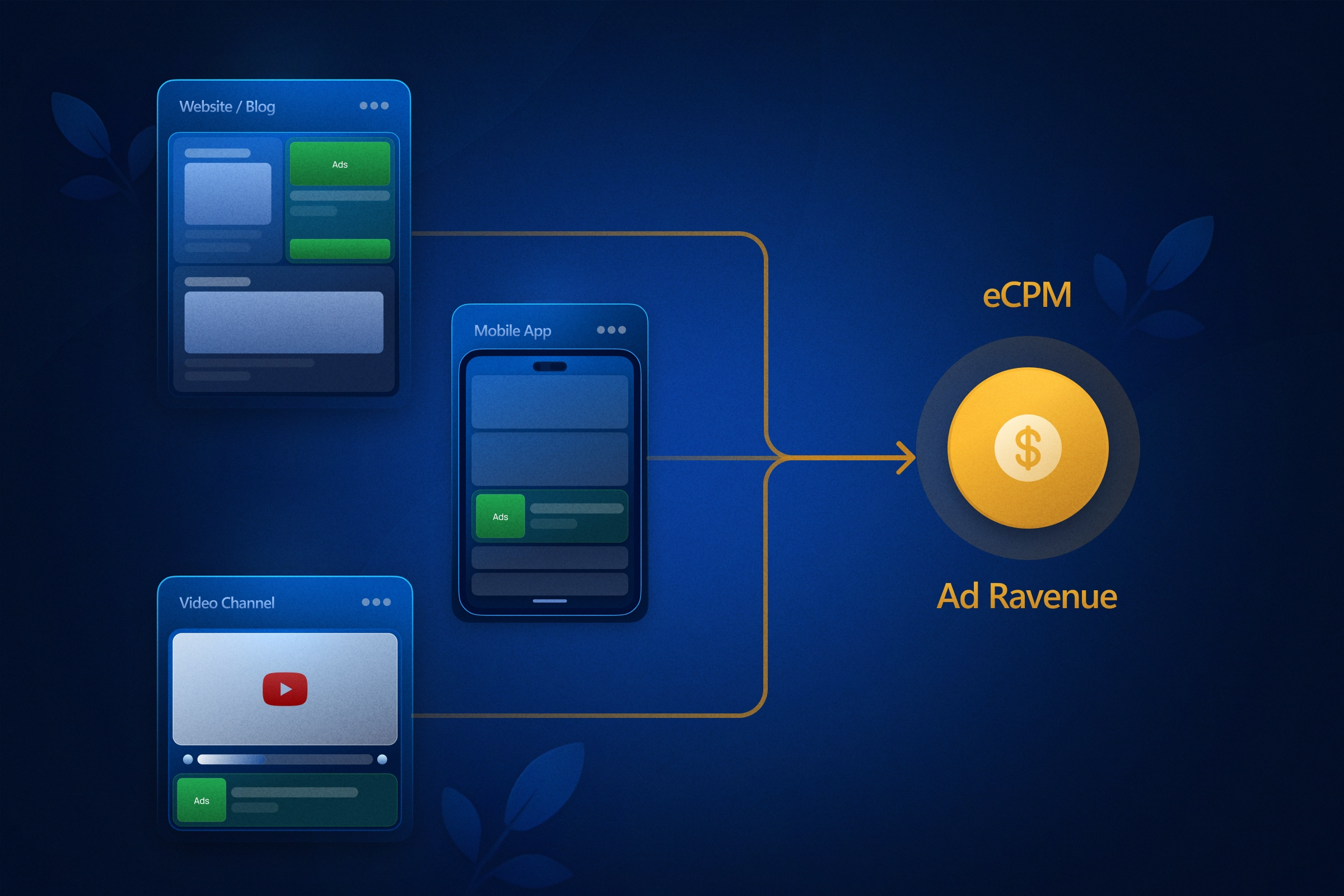
These different methods use different pricing rules. To track everything clearly, publishers use a blended score called effective CPM, also known as eCPM. This number converts total ad revenue into a rate per one thousand ad views, even if the ad was originally paid by clicks or sales. This gives creators one single number to measure performance across all ad deals.
Most tutorials for online creators focus heavily on this version of ad revenue. They teach how to build ad units, select ad platforms, and place ads on a page. While that technical setup is a separate topic from this guide, it is helpful to know those specific guides are available if you want to build a site.
Ad Revenue at the Platform and Industry Level
At a larger scale, ad revenue means the total money collected by a media platform, an ad network, or the whole digital advertising industry. This is the big number featured in company earnings reports, industry headlines, and market trend updates.
This larger view matters most to brands and marketers. They see this term constantly in performance news and market research. Understanding this big number shows total spending across thousands of businesses, rather than the results of a single ad campaign.
Today, most of this industry money moves through automated computer systems instead of hand signed deals.
Fact checking confirms that the IAB Internet Advertising Revenue Report for full year 2025, created with PwC, reports programmatic ad revenue grew 20.5% year over year to 162.4 billion dollars in the United States alone. This automated strategy added 27.6 billion dollars in new spending and makes up most of all digital ad dollars.
How Ad Revenue Works
Ad revenue starts when a company decides to spend money to reach people. It ends when that money arrives in the account of the person who owns the ad space.
An advertiser creates a campaign budget and selects target goals inside an ad network. The system then pairs that ad with available room on a website, inside a video stream, or across a smartphone app. This matching relies on targeted user info and live bidding systems. Money moves from the buyer budget to the host website as soon as the target action occurs, such as an ad impression, a click, or a completed sale.
In modern automated setups, this whole bidding process finishes in a split second while a web page opens. Buying software submits automatic bids for many advertisers at once. The platform reviews the bids and selects a winning ad based on price and relevance.
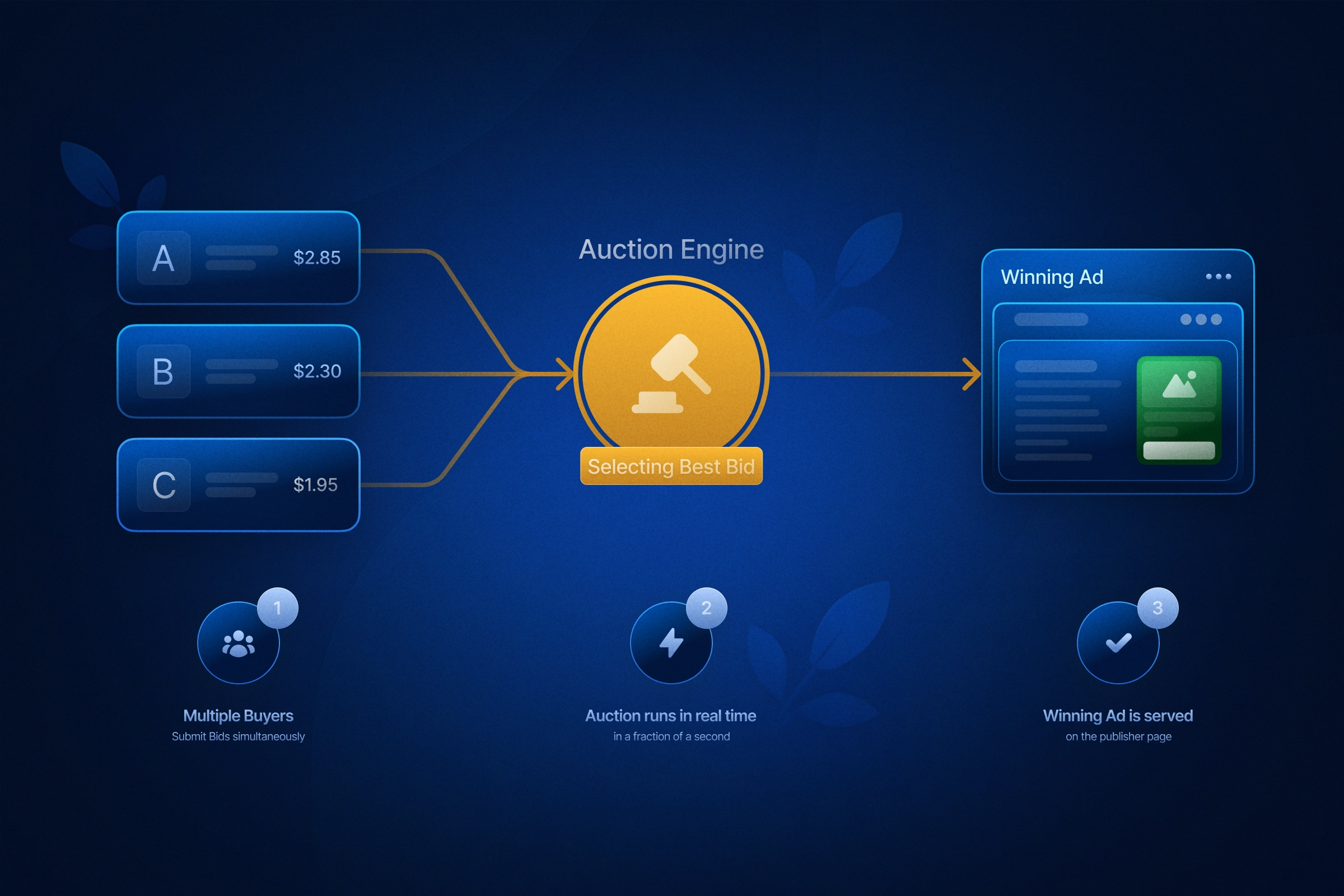
Today, publishers often run this bidding through a process called header bidding. Header bidding invites several ad networks to bid on the same ad spot at the exact same moment instead of asking one network after another. Pitting more buyers against each other at the same time drives up the final price for the publisher.
The network running the auction keeps a portion of the spend as a handling fee, which is known as a take rate. Because the platform takes this cut, what the advertiser pays almost never equals what the creator receives. Take rates vary depending on ad formats, location, and sales methods. This process is standard for ad networks, which is why total platform earnings and publisher earnings never line up perfectly.
The Pricing Models Behind Ad Revenue
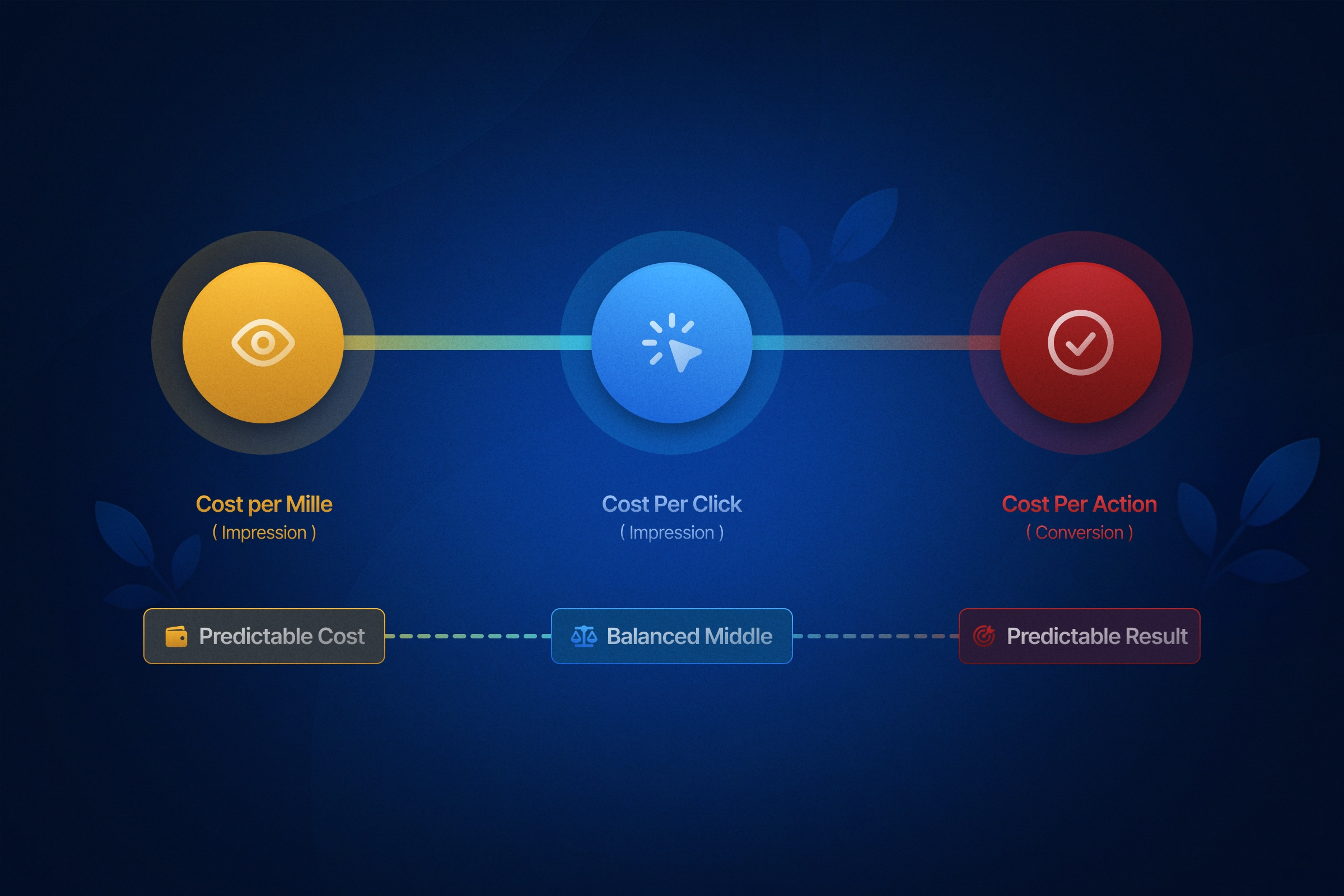
The amount of money ads make depends on the pricing model used. Each model pays out when a user completes a specific action. Knowing these differences helps explain why two ads with the exact same view count can earn completely different amounts of money.
CPM (Cost Per Mille)
CPM gets its name from a Latin word that means thousand. Under this setup, an advertiser pays a set price every time their ad appears one thousand times on screen. It does not matter if anyone clicks the ad, interacts with it, or does anything beyond simply seeing it.
This is the standard pricing model for brand awareness and display ads. Companies use it when their main goal is getting seen by a large audience rather than making an instant sale.
Because payment depends only on showing the ad, CPM works in favor of the website owner or ad platform. The platform makes money the exact second the ad loads, without needing the audience to react in any way.
CPC (Cost Per Click)
CPC changes the payment rule from ad views to clicks. An advertiser pays money only when a person actually clicks on their ad, rather than paying just to show it on screen.
This is the main pricing model used in search engine ads. It is also very common on social media and websites that focus on sending traffic to a specific webpage.
CPC moves more of the performance risk onto the website owner or app platform. An ad can be shown over and over again without making any money if nobody clicks it. For the advertiser, this feels more accountable than CPM because they pay only when a viewer takes an action, even though a click still does not guarantee a final sale.
CPA (Cost Per Acquisition)
CPA, or cost per action, connects ad payment to a finished goal. That goal could be a completed purchase, a new sign up, or an app download.
Under this model, an ad can receive thousands of views and clicks without making any money at all. Revenue is created only when a visitor completes the exact task set by the advertiser.
This setup offers the safest choice for advertisers regarding risk. They pay only for real outcomes that match their business goals, rather than paying for views or traffic that might go nowhere. However, that safety for the advertiser places a big risk on the website owner, who might show and deliver many clicks without earning any money if visitors do not buy.
Comparing the Models With a Simple Example
Ad pricing models calculate revenue based on different user actions across the same baseline metrics of 100,000 impressions, 2,000 clicks, and 100 purchases.
Model Breakdown
- CPM: Monetizes all 100,000 impressions served. Clicks and purchases do not alter the payout structure.
- CPC: Monetizes only 2,000 clicks. The remaining 98,000 impressions yield zero direct revenue.
- CPA: Monetizes only the 100 completed purchases. The 98,000 unclicked impressions and 1,900 non converting clicks yield zero revenue.
Role of Effective CPM
- Standardization: Converts total actual revenue from any pricing model back into a single metric per one thousand impressions.
- Comparison: Enables advertisers and publishers to evaluate CPA, CPC, and CPM campaigns side by side using real earnings rather than surface model rates.
Digital Ad Revenue: The Bigger Picture
Digital ad revenue is the money earned from showing advertisements on the internet. This income is completely different from older media formats like printed newspapers, regular TV shows, and radio stations. Today, digital advertising claims by far the biggest slice of all advertising money spent across the world. It covers several distinct online spaces that operate in unique ways.
Social media ads served as the single biggest growth driver behind those massive earnings. At the same time, search engine ads, online video spots, and display banners each made up huge, separately tracked categories of their own.
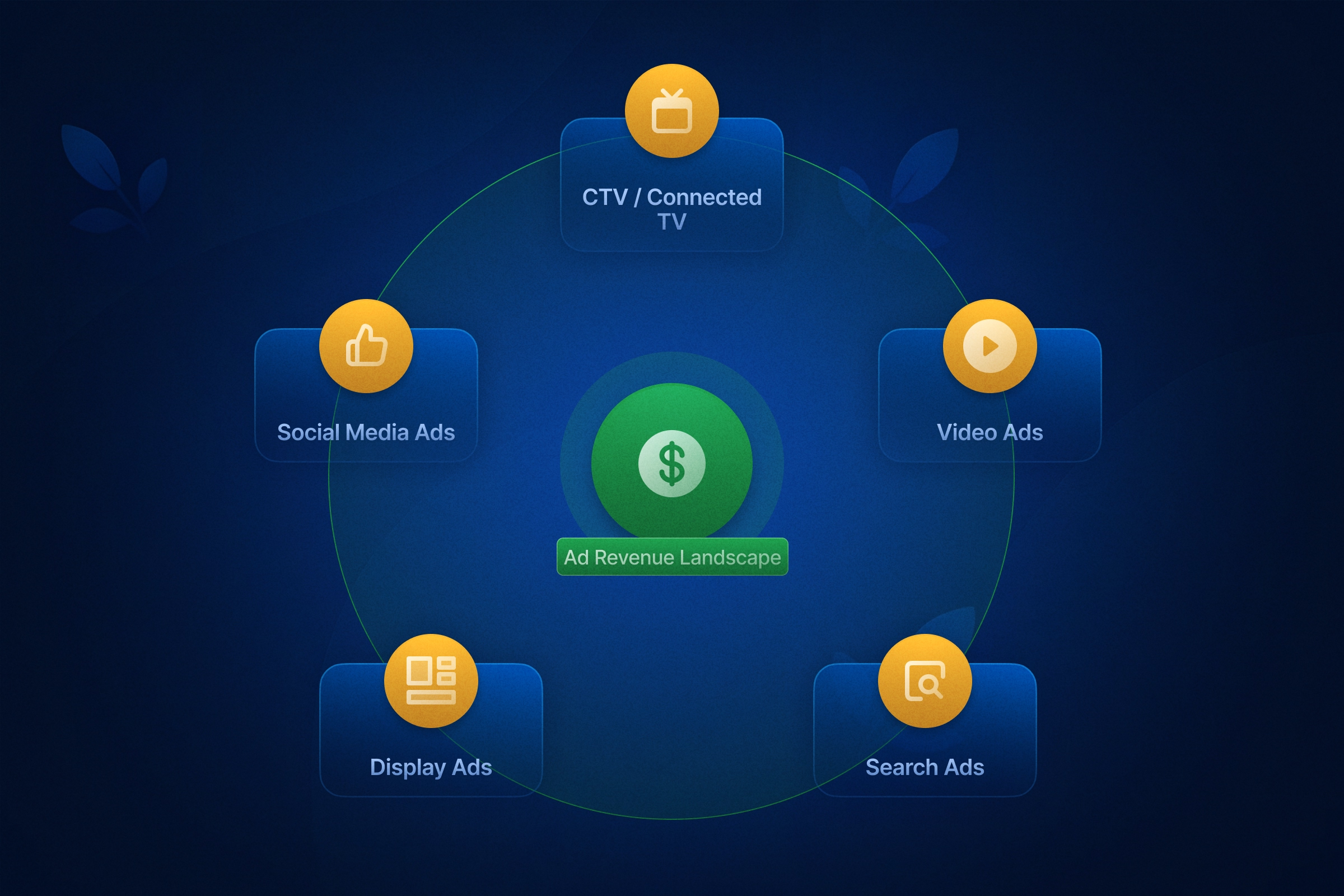
A few of the major channels that make up this landscape:
The report by IAB and PwC splits the total money made in 2025 into specific groups so people can see how large each ad type is.
This proves that much of the new ad money is coming directly from shopping stores rather than traditional publisher websites alone.
Format choice drives much of that growth, and this breakdown of types of Facebook ads explains which placements are earning advertisers the strongest returns right now.
Every single one of these channels contributes to the full digital ad revenue total. Even so, researchers track each group individually because they operate differently. Each channel relies on distinct targeting info, uses its own payment system, and works best for specific marketing targets.
What Drives Ad Revenue Up or Down
Ad revenue changes based on a few main reasons. Which are as follows:

Audience Size and User Activity: When more people view and interact with content, platforms get more ad spots and better results. Losing visitors reduces revenue immediately. Time spent on the site is crucial because visitors who stay longer see more ad placements without needing extra user traffic.
Ad Location and Style: The placement and style of an ad, including banners, native ads, video clips, and rewarded formats, decide its overall value. Ads that blend into content gracefully earn better payouts than intrusive ones. Viewability also plays a major role, since advertisers only pay top rates for ads that actually show on screen.
Shopping Seasons: Advertiser spending shifts depending on the season. Major retail periods create high demand, pushing revenue up for websites and platforms. Calmer months see less spending. Bidding systems automatically adjust rates upward during busy shopping times due to high competition.
Space Competition: Having many advertisers try to buy the same ad space drives prices up. Fewer interested buyers mean lower revenue. Broad groups of users attract lots of low cost bids, whereas small, specialized audiences attract fewer buyers who pay much higher costs per impression.
Total Advertiser Spending: General economic conditions and total corporate ad budgets move revenue across the entire market. A platform can keep its quality and audience perfectly stable, yet still earn more or less money depending on total market spending during that period.
How Ad Revenue Is Increased
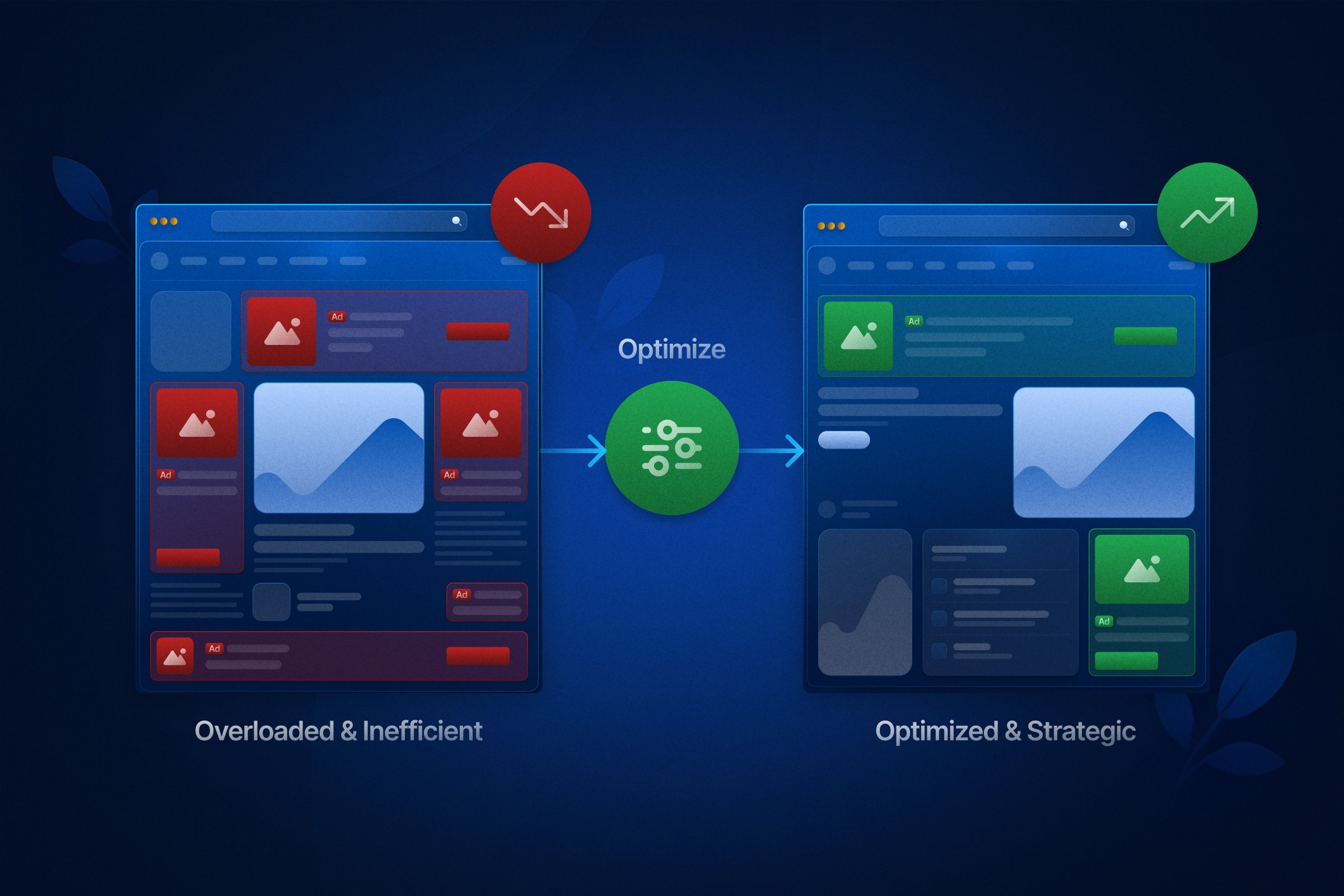
Increasing ad revenue looks completely different depending on which side of the ad market you are on.
From the Publisher Side
People who own websites or apps make more ad money by following a clear set of methods:
- Increase Total Visitors: Growing your regular audience creates more ad space.
- Keep Users Engaged: Getting visitors to interact with your content makes every visit more profitable.
- Optimize Your Layout: Testing different ad spots and video formats helps you find what pays best.
- Combine Payment Types: Offering fixed view rates alongside pay per click options brings in more buyers. Different companies prefer different ways to pay.
- Create Clean Experiences: Making sure ads are genuinely seen without annoying the reader raises your page value. A few well placed ads usually make more money than a page covered in clutter.
From the Advertiser Side
Brands buying ad space view spending as an expense. What they really want is maximum value for their budget.
- Eliminate Unhelpful Spend: They avoid buying views from audiences that will never buy their products.
- Shift Funds to Winning Channels: They put most of their money into ad styles that deliver proven success.
- Improve Targeting and Quality: They refine their ad designs to reach people who care about their products.
Why Both Sides Rely on Each Other
The two sides always link together. When a brand gets amazing results from an ad placement, that success gives the publisher the power to raise the price for that ad space later on.
Ad Revenue and Advertising Income: How the Terms Relate
Ad revenue and advertising income are generally used as identical terms. Treating them as complete synonyms in everyday speech is completely normal.
Sometimes a slight difference appears based on how specific the topic is.
- Ad Revenue: This term often refers to an exact dollar amount. It describes a precise number like the ad earnings a publisher logged in its latest financial statement.
- Advertising Income: This term is sometimes used in a broader way to describe the whole flow of money a business gets from advertising as a general category over time.
For most people, this difference is too small to matter. Professional writers and experts routinely treat both phrases as identical words.
What Ad Revenue Means for Advertisers and Brands
Knowing how platforms generate ad revenue changes how a company should share out its budget.
- CPM Pricing: You pay for ad views regardless of what users do. This option suits big awareness campaigns. It fails when you need users to do something specific.
- CPC Pricing: You pay every time someone clicks your ad. This feels more trackable, but getting many clicks without sales still wastes money. Clicks do not guarantee real purchases.
- CPA Pricing: You pay only when a specific result happens. This ties your ad spend directly to sales. Each outcome costs more money because the platform takes a risk by waiting for results to get paid.
Managing Risk in Your Ad Plan
- Predicting Costs: CPM is the easiest to plan for costs because you know how many ad views you are buying. It is the hardest for predicting sales.
- Predicting Results: CPA is the easiest for predicting sales because you pay only for completed goals. It is the hardest for predicting total cost because you cannot know how many clicks or views it will take.
A smart ad plan mixes these pricing styles carefully instead of relying on default settings from one platform.
Improving Your Strategy
Choosing the right mix of pricing styles and channels takes a real understanding of the ad world and your own campaign numbers. Uproas helps advertisers directly with media buying strategies. They help align your budget with the exact platforms and pricing options that deliver the outcomes you want.
Conclusion
Ad revenue is a primary building block in online advertising, but the word means something different to sellers and buyers. For website owners, it means money coming in from ad space. For advertisers, understanding how that income is generated and which payment model applies turns ad spending into a careful plan rather than a total guess.
When you understand both sides of advertising and the payment rules between them, reading market reports gets much easier. It also helps you make wiser spending decisions.
FAQs


Latest blogs
Ad Revenue Explained: How It Works & Key Models
Struggling to scale ad revenue? Learn how CPM and CPC auctions actually work to stop losing money on low bids. Read the full breakdown today!

Marketing Mix Modeling: Master Revenue Growth
Stop trusting broken attribution data. Learn how marketing mix modeling bypasses tracking limits to uncover true revenue and optimize ad spend.
Types of Retargeting: The Full Guide for Marketers
Explore major types of retargeting, from pixel-based to dynamic and sequential, and learn how to combine them into a converting campaign.
Targeted Advertising: How It Works and How to Use It Well
Build a bulletproof targeted advertising strategy. Turn raw behavioral data into profitable segments using our step-by-step optimization plan.
Retargeting vs Remarketing: The Difference Every Marketer Needs to Know
Stop treating Retargeting vs Remarketing as identical. Use a precise, high-impact framework to weaponize your data and maximize conversions.

Google Ads Cost: What You'll Really Pay (By Industry, Campaign Type, and Business Size)
Stop wasting budget on vague pricing. See exact 2026 Google ads cost benchmarks by industry, real CPC data, and the formula to reduce your ad spend.

Types of Facebook Ads: A Complete Guide to Every Format in 2026
See all types of Facebook ads, including current specs, placements, and objectives, plus a matching table to pick the right format for your goal.

ABM Stats: 2026 Benchmarks, ROI & Trends
From ROI to pipeline velocity, these 2026 ABM stats show exactly why account-based marketing dominates B2B growth.
.jpg)
The Real Price of Social Media Advertising: A Cost Guide for Advertisers
Find out what social media ads actually cost these days. Get to know about CPC, CPM, CPL, industry verticals, budget ranges, and ROAS across major platforms.