Geographic Segmentation: Definition, Variables, Examples & How Marketers Use It

Targeting the right audience is the foundation of every successful marketing campaign. To reach your ideal customers, you must first divide large groups into smaller and more manageable segments.
Geographic segmentation exists because location shapes behavior. Where someone lives affects what they buy, what they can afford, and how they respond to messaging. A winter jacket campaign that works in Canada is irrelevant in a tropical market. A pricing strategy built for New York will alienate buyers in emerging markets.
This guide covers the core variables marketers use, how geographic segmentation works in paid ads, real brand examples, and a step-by-step framework you can apply immediately.
What Is Geographic Segmentation?
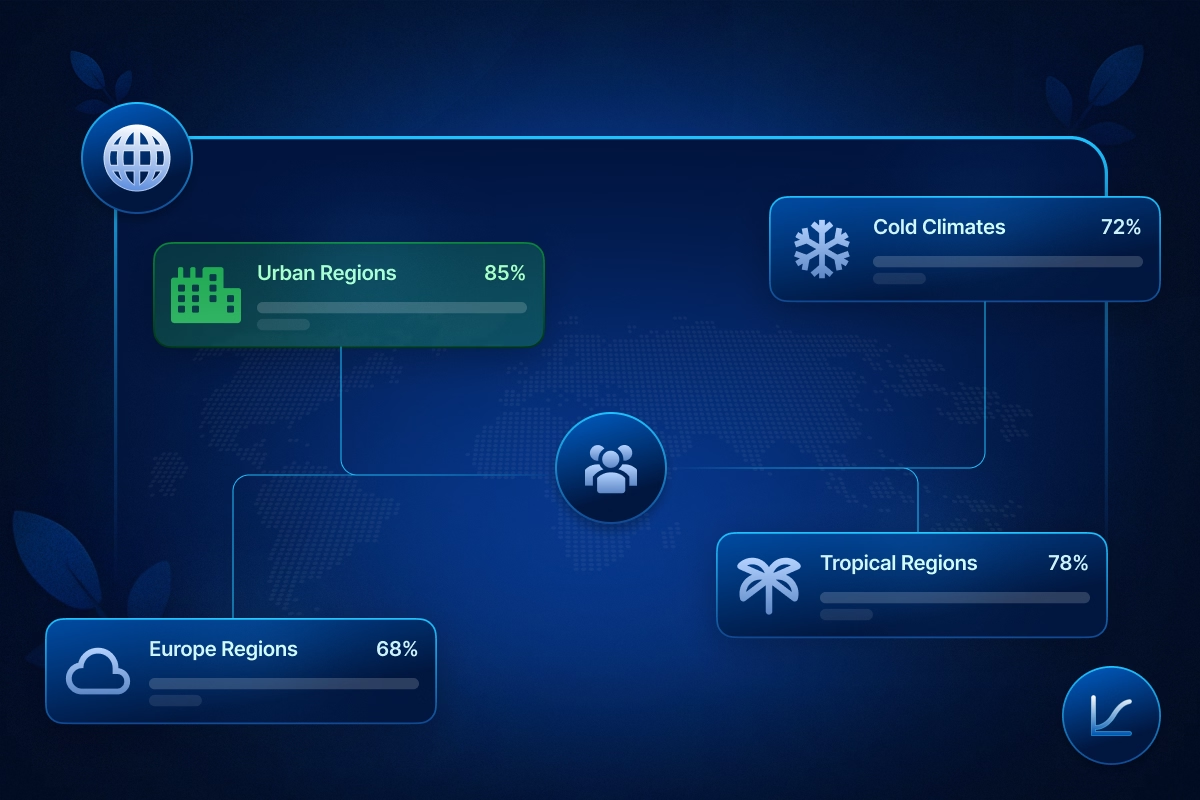
Geographic market segmentation is a strategy where a business divides its audience based on where they live, such as their country, city, or neighborhood. By doing this, companies can customize their products and ads to fit the specific needs and culture of each area.
This approach is different from other segmentation types:
- Demographic segmentation focuses on age, gender, income, etc.
- Psychographic segmentation looks at values, interests, and lifestyles
- Behavioral segmentation focuses on actions like purchase behavior or brand usage
Geographic Segmentation vs. Other Segmentation Types
Here’s how geographic segmentation compares to other major segmentation methods:
{Need a visual comparison table. Clean, minimal borders.}
When to use geographic segmentation alone:
- Launching in a new region
- Running location-based promotions
- Targeting based on climate or local events
When to combine it with other types:
- Hyper-targeted ads (e.g., young professionals in urban areas)
- Personalizing campaigns at scale
- Improving conversion rates with layered targeting
In practice, most marketers don’t use just one type. They combine geographic data with demographic, psychographic, and behavioral insights to create a more complete customer picture.
For teams managing campaigns across multiple regions, having the right infrastructure matters as much as the strategy itself. That starts with choosing the right agency ad account provider for your scale and geographic coverage.
How to Implement Geographic Segmentation in Your Marketing Strategy
It’s one thing to know what geographic segmentation is, but actually applying it is where the real impact happens. A structured, step-by-step approach can help you turn location data into better-performing campaigns.
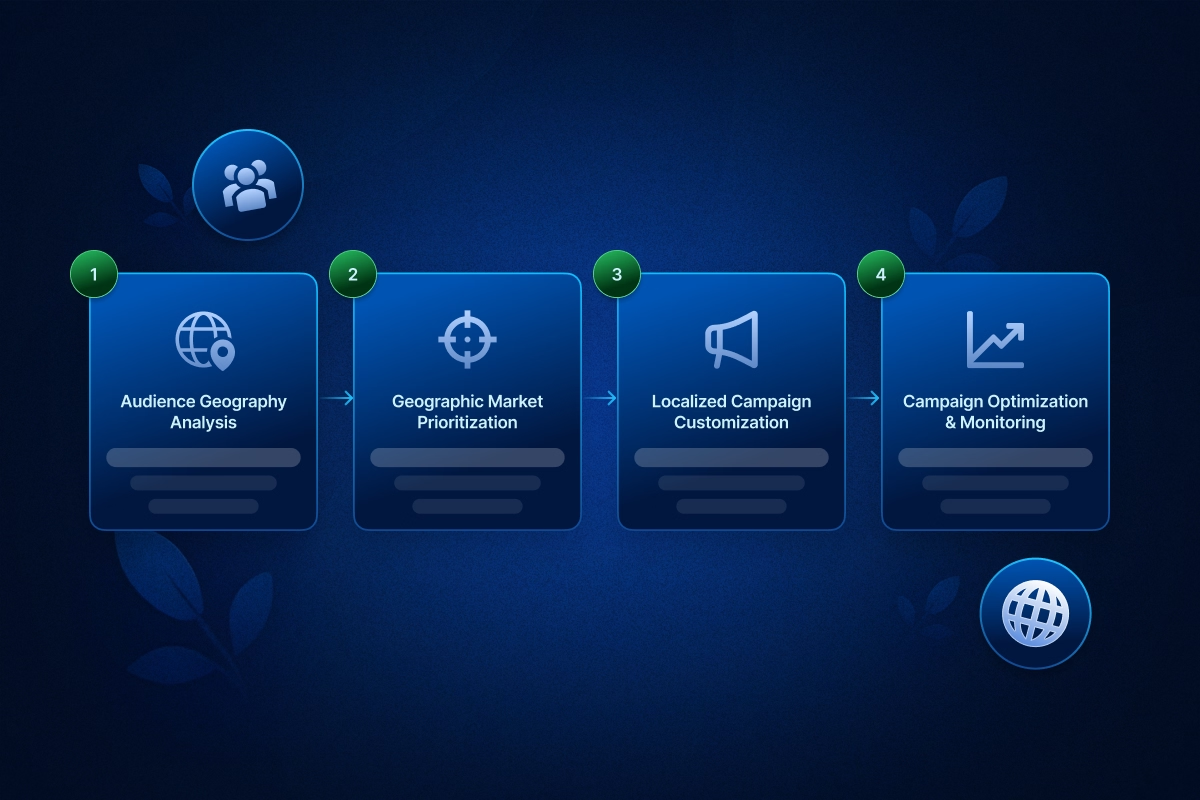
Step 1: Audit Your Current Audience Geography
Before changing anything, understand where your audience already comes from. Use tools like:
- Google Analytics
- Meta Ads Manager
- Your CRM or sales dashboard
What to look for:
- Top-performing regions (high conversions, revenue)
- Underperforming regions (low engagement, high costs)
- Unexpected markets showing demand
In Google Analytics, for example, you can view:
- Users by country, city, or region
- Conversion rates by location
- Revenue contribution by geography
Why this matters
You might discover that:
- A smaller city drives more conversions than a big metro
- Certain regions bring traffic but no sales
This step helps you base decisions on real data, not assumptions.
Step 2: Prioritize Your Geographic Segments
Once you have the data, group your locations into tiers. This helps you focus your budget and effort more strategically.
A simple tier system:
- Tier 1 (Core markets)
- High demand, strong performance, proven ROI
- Tier 2 (Growth markets)
- Moderate performance, strong potential
- Tier 3 (Test markets)
- New or uncertain regions
Budget allocation example:
This ensures you:
- Scale what already works
- Continue exploring new opportunities
According to the World Bank, economic conditions and consumer spending vary widely across regions. Prioritization will help you align spend with actual market potential.
Step 3: Customize Campaigns Per Geographic Segment
This is where geographic segmentation becomes visible in your marketing. The best practice is to create separate campaigns or ad sets for each region.
Why this works
- Cleaner performance data
- Better control over the budget
- Easier optimization
What to customize
- Creative (images, videos)
- Reflect local culture, environment, or lifestyle
- Messaging (copy, tone)
- Use local language, references, and context
- Offers and pricing
- Adjust based on purchasing power or regional demand
- Landing pages
- Show location-specific content or deals
For example:
- A campaign in Los Angeles may highlight fast delivery
- A campaign in a smaller city may emphasize affordability
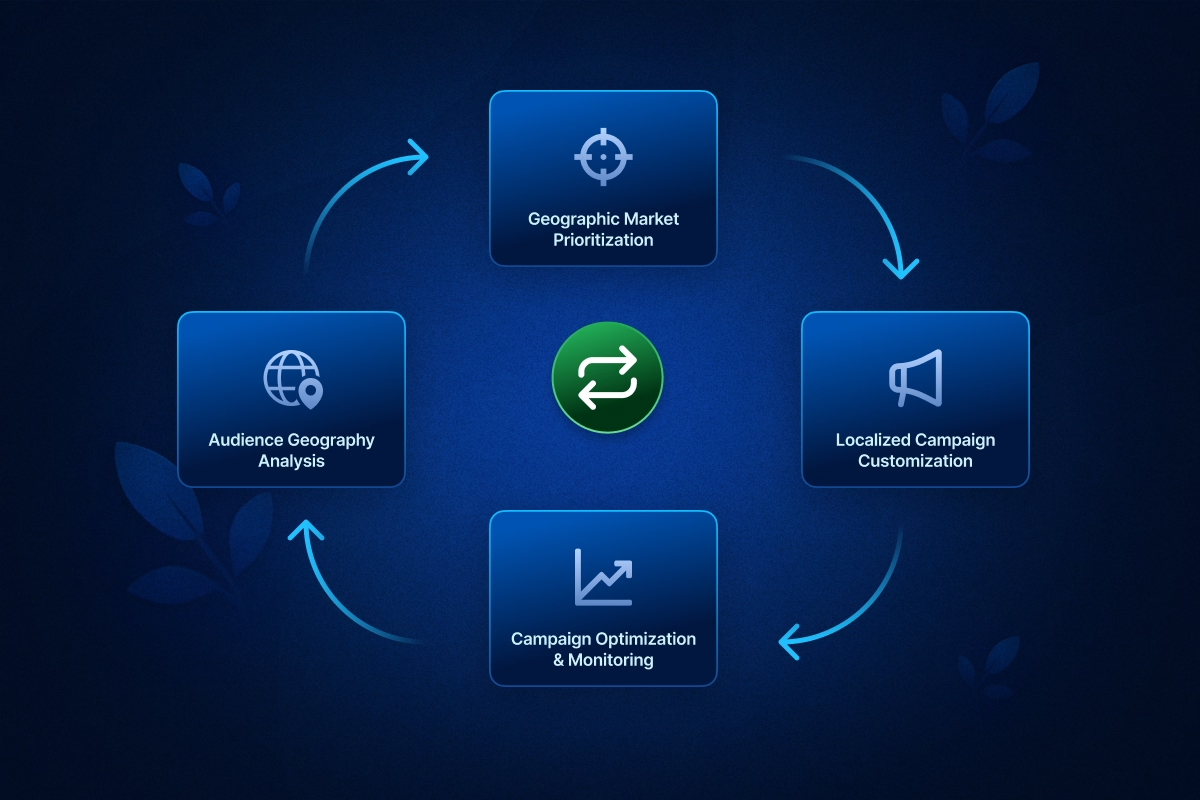
Step 4: Monitor, Test & Optimize by Region
Once your campaigns are live, the work isn’t done. Geographic segmentation requires ongoing optimization.
Before comparing these metrics across regions, make sure you understand how to calculate them correctly. The Cost Per Result formula is a good starting point for standardizing your measurement.
Key metrics to track by region:
- CPL (Cost per Lead)
- CVR (Conversion Rate)
- ROAS (Return on Ad Spend)
- CPC (Cost per Click)
Always compare performance between regions, not just overall.
How to identify what to scale vs. pause
Platforms like Google Ads allow location-based bid adjustments and exclusions, making this process easier.
Practical Tip
Don’t treat it as a one-time setup.
- Markets change
- Demand shifts
- New regions emerge
Regularly reviewing and adjusting your geographic strategy ensures you stay relevant and competitive.
Advantages and Disadvantages of Geographic Segmentation
Knowing both helps you maximize its impact while avoiding typical pitfalls.
Key Advantages of Geographic Segmentation
1. Relevance
It allows you to tailor messaging based on local needs, culture, and context.
- Ads feel more relatable
- Offers align with local demand
- Campaigns perform better
2. Budget Efficiency
Instead of spreading your budget thin, you can focus on high-performing regions.
- Reduce wasted impressions
- Improve cost per acquisition (CPA)
- Allocate budget based on performance
Platforms like Google Ads even allow bid adjustments by location, helping optimize spend further.
3. Personalization at Scale
Unlike behavioral or psychographic targeting, geographic segmentation doesn’t always require deep personal data.
- Easier to implement
- More privacy-friendly
- Still delivers meaningful personalization
You can localize campaigns without tracking individual users in detail.
4. Easier to measure ROI by region
It makes performance tracking clearer. You can measure:
- Conversions by city or region
- Cost per lead by location
- Revenue contribution per market
This helps marketers quickly identify:
- Which regions to scale
- Which regions to optimize or cut
Limitations of Geographic Segmentation
1. Risk of over-generalizing
Not everyone in the same location behaves the same way.
- A city can contain multiple audience types
- Income, lifestyle, and preferences can vary widely
Relying only on geography can lead to oversimplified targeting.
2. Doesn’t account for within-region differences
Geographic segmentation alone ignores:
- Demographics (age, income)
- Interests and behaviors
That’s why most marketers combine it with other segmentation types for better accuracy.

3. Digital-first audiences
In today's digital world, some audiences behave independently of their physical location. Common examples include:
- Remote workers
- Global consumers
- Online-first buyers
A user in one country may be interested in products from another.
4. Data accuracy challenges (IP vs. GPS)
Location targeting isn’t always perfect.
- IP-based targeting → can be inaccurate (VPNs, shared networks)
- GPS-based targeting → more accurate but depends on user permissions
According to the Pew Research Center, many users limit or manage location sharing, which can affect targeting precision.
When Geographic Segmentation Works Best
Geographic Segmentation Variables: What Marketers Actually Measure
To use it effectively, marketers don't just look at a map. They work with defined geographic segmentation variables, specific, measurable factors that explain why people in different places behave differently.
The Core Geographic Segmentation Variables
Most marketers rely on six key variables when building a geographic target market.
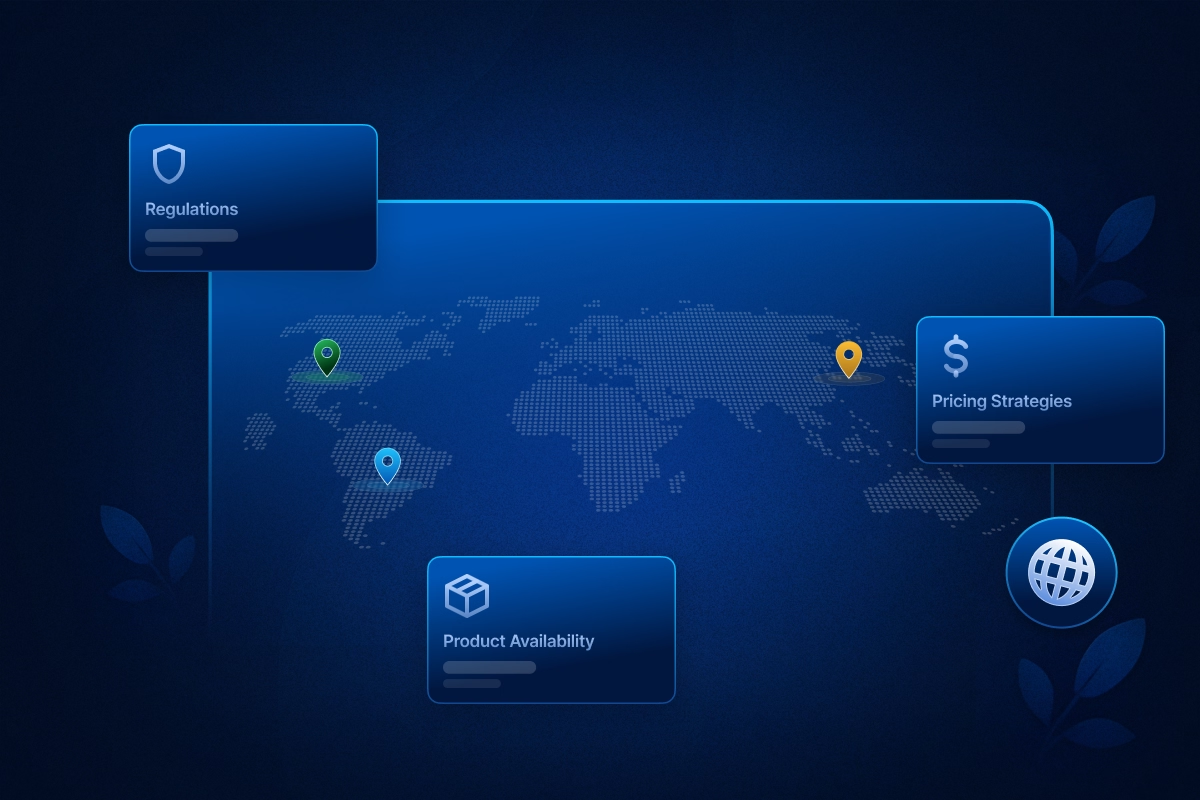
1. Country & Region
National borders often define:
- Regulations (taxes, import laws, advertising rules)
- Product availability
- Pricing strategies
For example:
- Streaming content varies by country due to licensing
- Pricing differs based on local purchasing power and taxes
A global brand may sell the same product across countries, but it adjusts price, packaging, or features depending on the country. This matters because economic conditions vary widely. According to the World Bank, countries differ significantly in income levels and consumer spending capacity.
2. City & Urban vs. Rural Classification
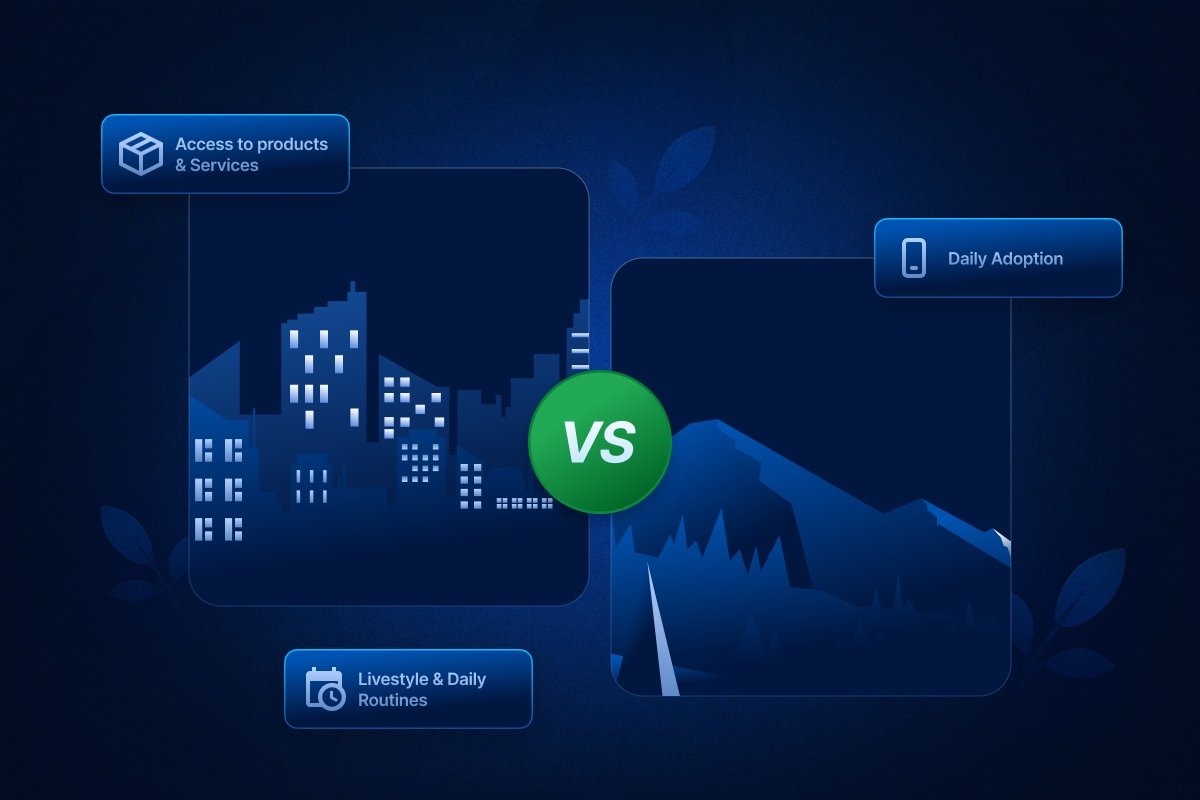
People behave very differently depending on whether they live in:
- Urban areas
- Suburban zones
- Rural regions
Key differences include:
- Access to products and services
- Lifestyle and daily routines
- Digital adoption
For instance:
- Urban users are more likely to shop online
- Rural consumers may rely more on local stores
Population concentration also matters. The United Nations reports that around 55% of the world’s population lives in urban areas, and this is expected to grow around 68% by 2050. This shift makes urban targeting a major focus for many marketers.
3. Climate & Season
Climate directly influences what people need and when they need it. Examples:
- Winter clothing in cold regions
- Air conditioners in hot climates
- Seasonal food and beverages (hot drinks vs. cold drinks)
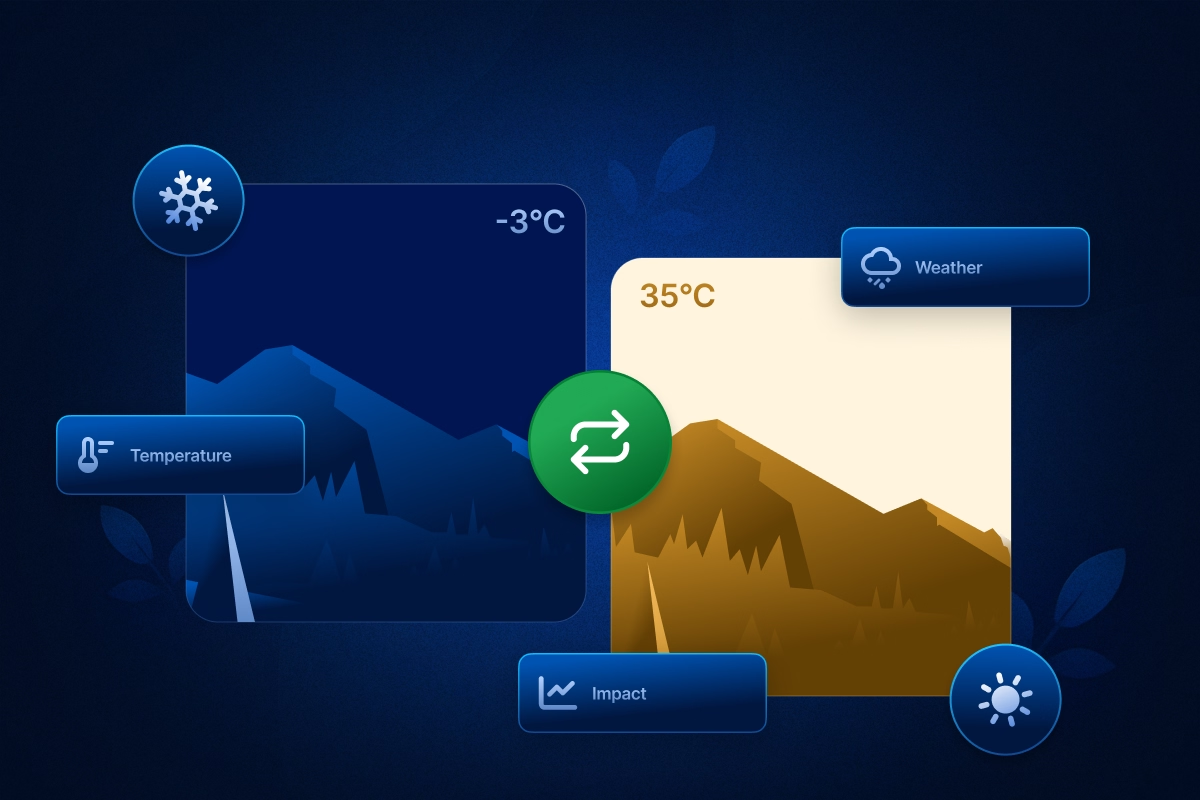
Even within one country, demand changes by region and season. According to the National Oceanic and Atmospheric Administration, weather patterns significantly affect consumer behavior, particularly in retail and energy consumption.
4. Language & Cultural Norms
This goes far beyond translation. Localization means adapting:
- Tone of voice
- Visuals
- Cultural references
- Humor and messaging

A campaign that works in one culture may fail, or even offend, in another. For example:
- Colors, symbols, and gestures carry different meanings across cultures
- Humor often doesn’t translate directly
According to CSA Research, 76% of consumers prefer buying products with information in their own language. Language and culture directly affect trust and conversion.
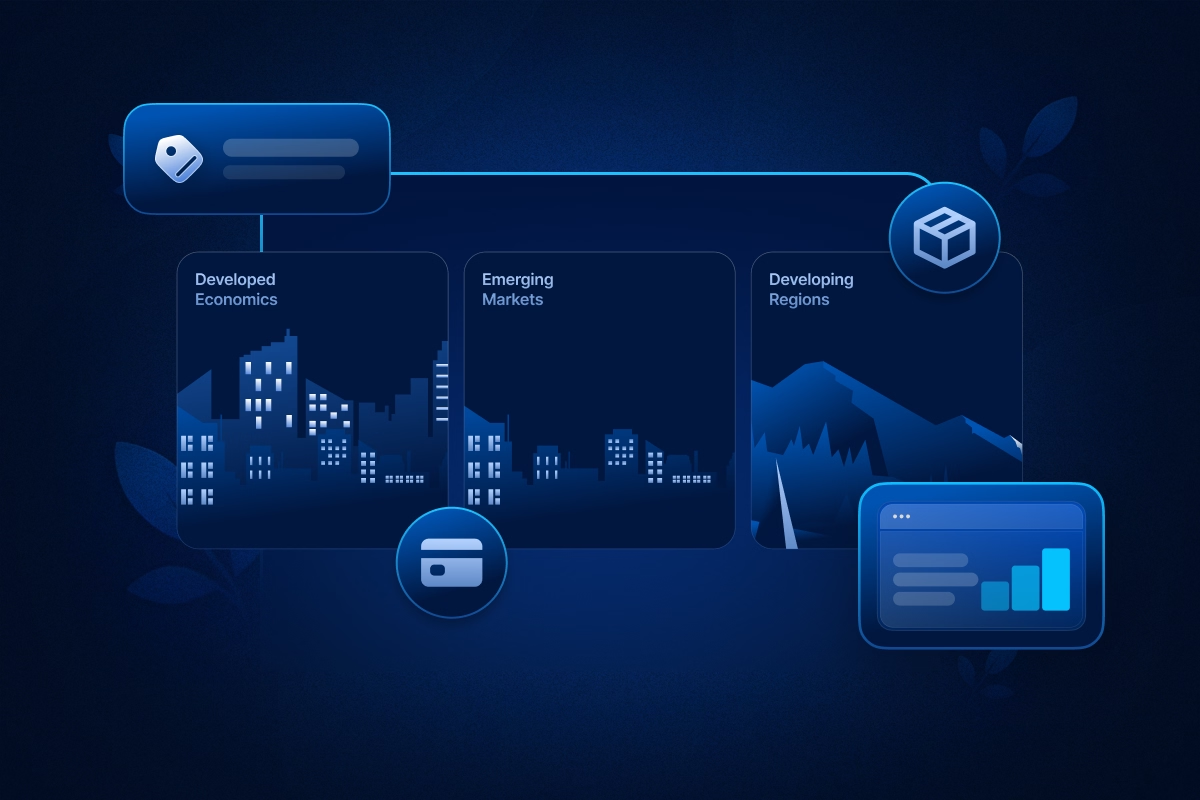
5. Economic & Market Development Level
Marketers often group markets into three categories:
- Developed economies
- Emerging markets
- Developing regions
This affects:
- Pricing strategy
- Product positioning
- Payment methods
For example:
- Premium pricing may work in high-income countries
- Budget-friendly options perform better in price-sensitive markets
Purchasing power is a key factor. The International Monetary Fund uses Purchasing Power Parity (PPP) to compare real buying power across countries.
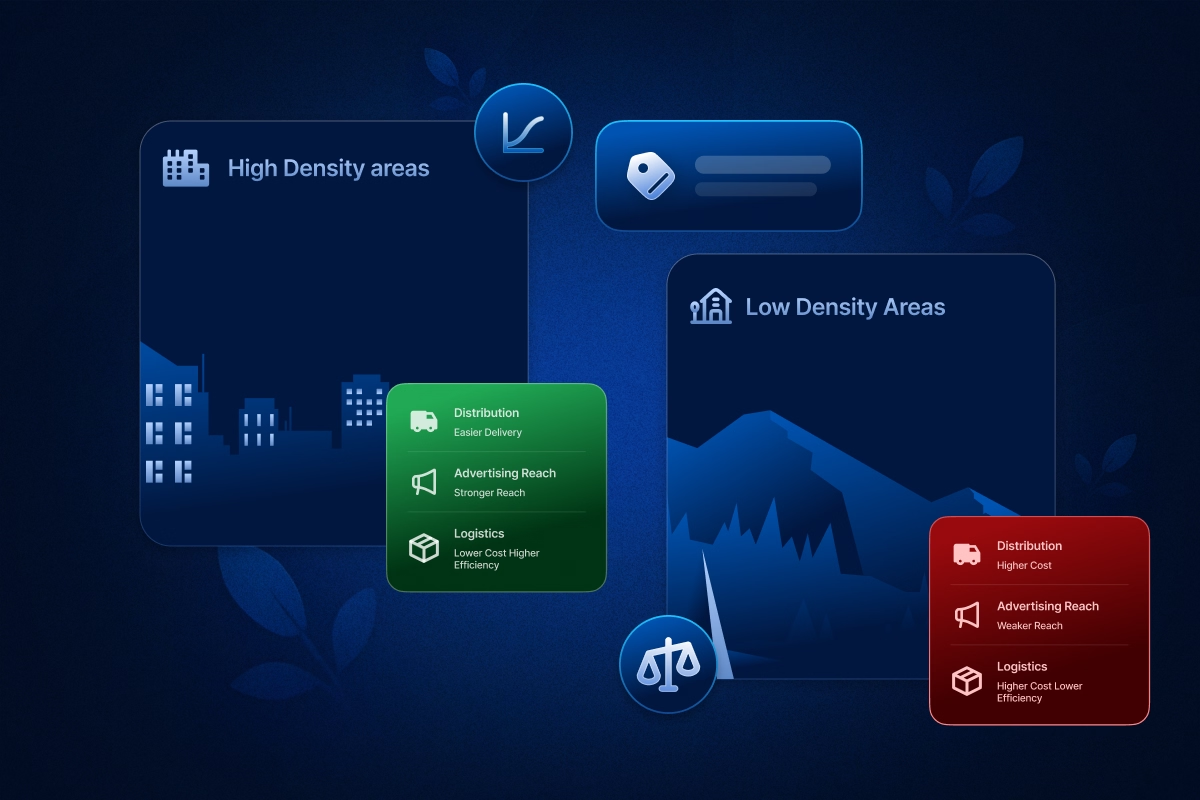
6. Population Density
Population density affects how marketers plan:
- Distribution
- Advertising reach
- Logistics
Examples:
High-density cities → easier delivery, higher ad reach
Low-density areas → higher distribution cost, slower scaling
According to the World Bank, population density varies dramatically across regions, shaping infrastructure and accessibility. Density often determines whether a campaign is scalable or costly.
Geographic Factors in Marketing
Beyond the core variables, marketers also consider broader geographic factors in marketing.
Infrastructure Access
Access to technology varies widely by region. Key factors:
- Internet penetration
- Smartphone usage
- Payment systems
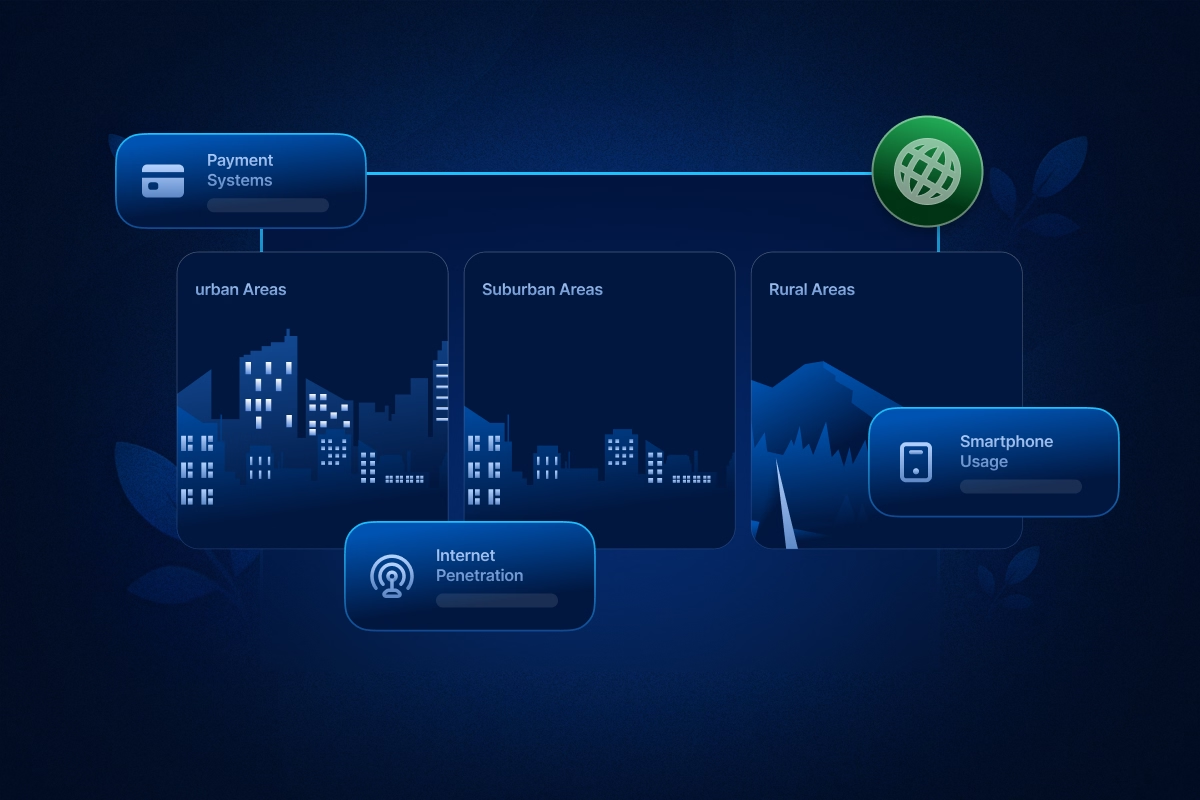
Globally, about 67% of the population uses the internet, according to the International Telecommunication Union.
This directly impacts:
- Digital ad reach
- Platform choice (mobile vs. desktop)
Legal and Regulatory Factors
Different regions have different rules around location data collection. Ignoring them can lead to fines, campaign bans, or reputational damage. Major laws to know include GDPR (EU), CCPA/CPRA (California), LGPD (Brazil), PDPA (Thailand and Singapore), China's PIPL, and PIPEDA (Canada).
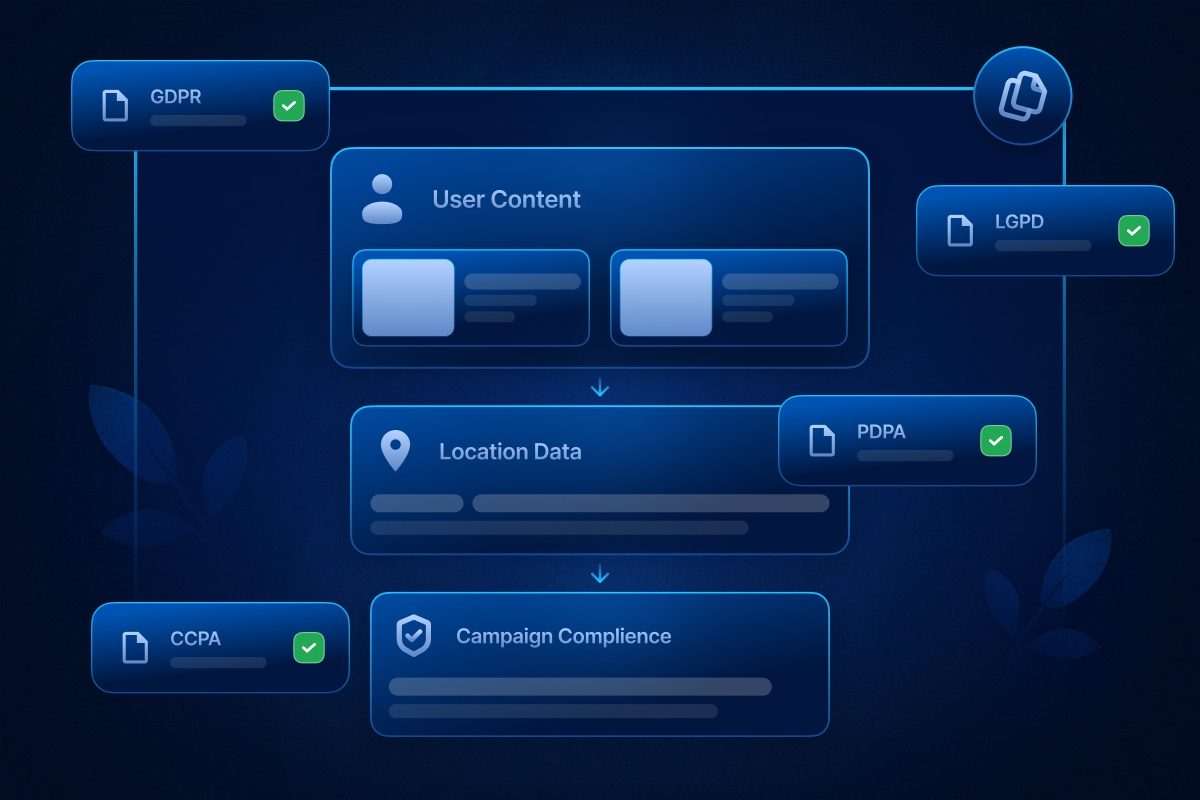
Each law requires some form of user consent before you collect or use location data. Before launching in any new region, check what consent rules apply and build them into your campaigns from the start.
How Do Marketers Use Geographic Segmentation?
Geographic segmentation helps marketers group people based on where they live, such as their country, city, or even the local weather. By focusing on specific locations, companies can create ads and products that fit the local culture and regional tastes. This personal touch makes people more likely to pay attention and actually make a purchase.
Defining a Geographic Target Market
A geographic target market simply means the specific location (or set of locations) you choose to focus your marketing efforts on.
In practice, this could be:
- A single city (e.g., London, for a local service)
- A region (e.g., Eastern Europe, for a startup scaling regionally)
- A country (for national campaigns)
- Or multiple global markets
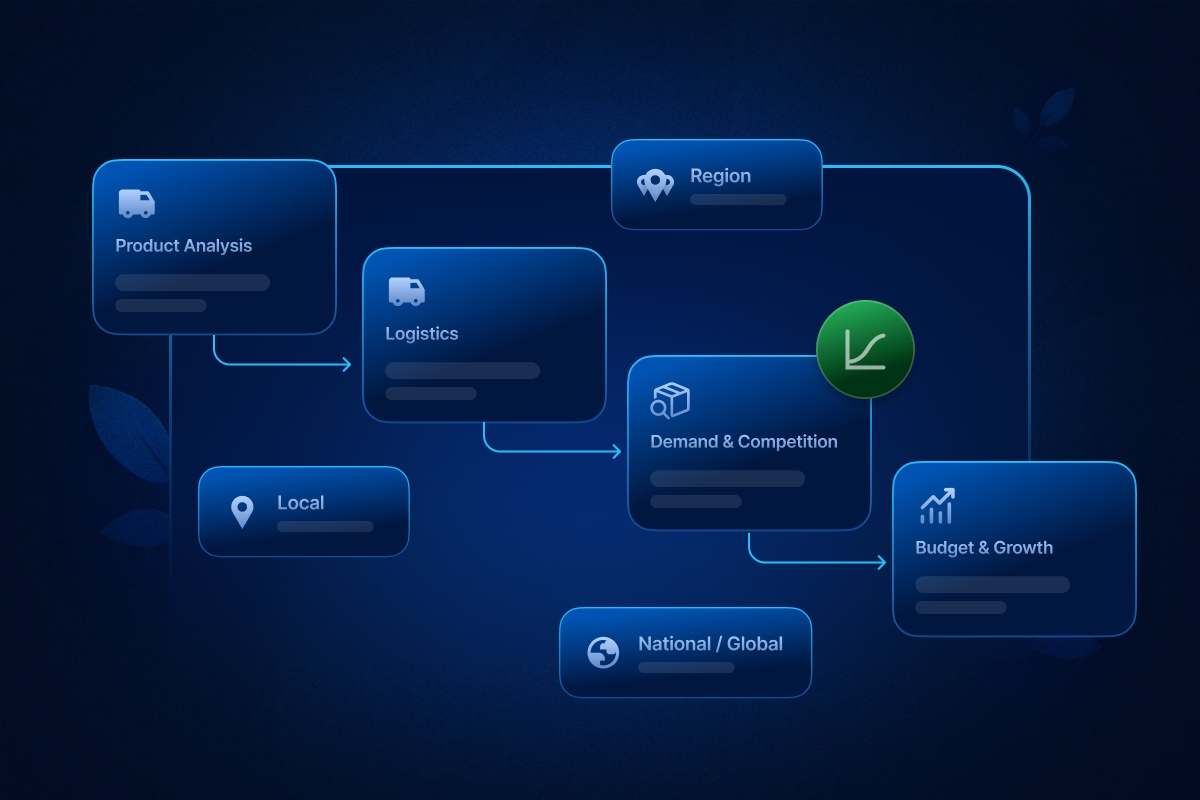
The key is choosing the right scope. How to decide your geographic scope:
- Start with where your product is most relevant
- Consider logistics and delivery capabilities
- Look at demand and competition levels
- Align with your budget and growth stage
Local vs. global targeting:
- Local targeting → high relevance, lower scale
- Regional targeting → balanced growth
- National/global targeting → large scale, but needs strong localization
Many successful brands start local, then expand geographically in stages.
How Geographic Segmentation Is Applied Across Marketing Channels
It isn't limited to paid search or social ads. Channels like native advertising also benefit from location-based targeting, especially for content that needs to match regional tone and context.
In Product Development & Pricing
Location often shapes the product itself.
- Brands adjust features or packaging by region
- Climate, culture, and usage habits influence product design
- Pricing varies based on purchasing power and local competition
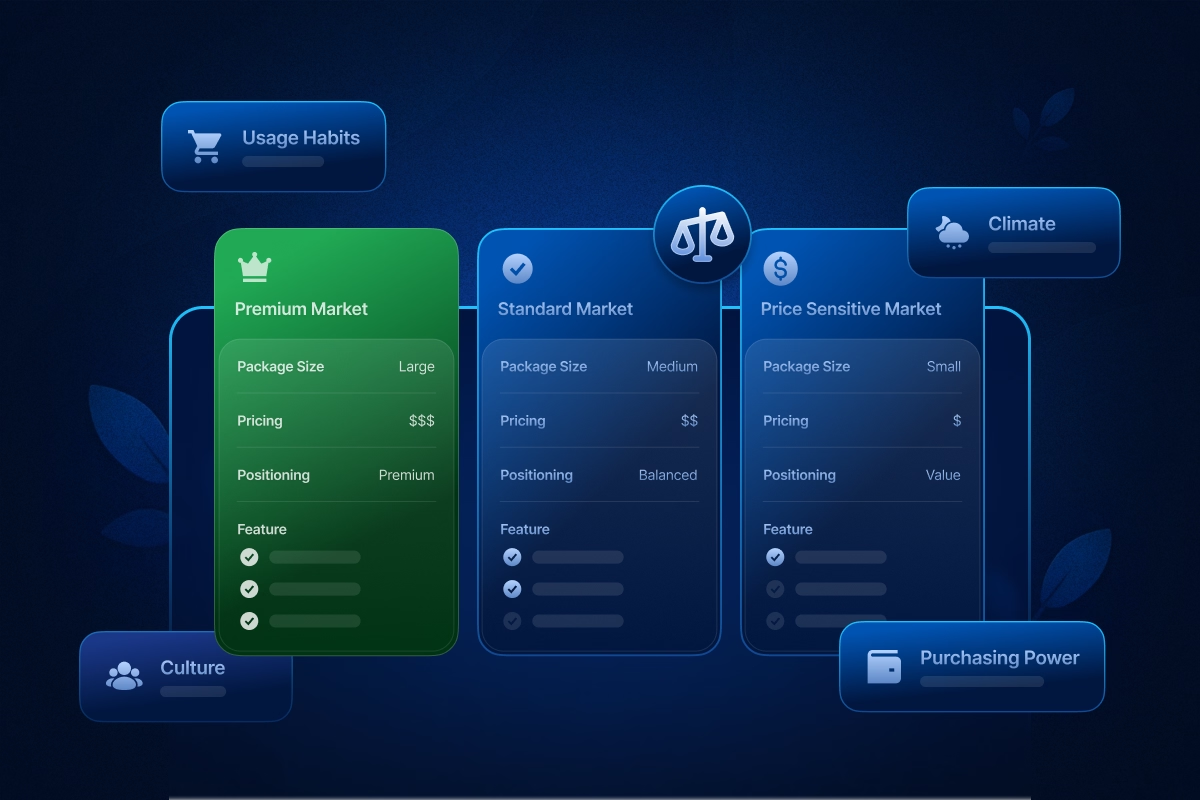
For example:
- Smaller packaging sizes in price-sensitive markets
- Premium versions in high-income regions
This aligns with global economic differences. Data from the World Bank shows a wide variation in income levels across countries, which directly impacts pricing strategy.
In Content & Messaging Strategy
This is where geographic segmentation becomes most visible.
- Language is localized, not just translated
- Tone and visuals reflect local culture
- Campaigns align with regional holidays, events, and trends
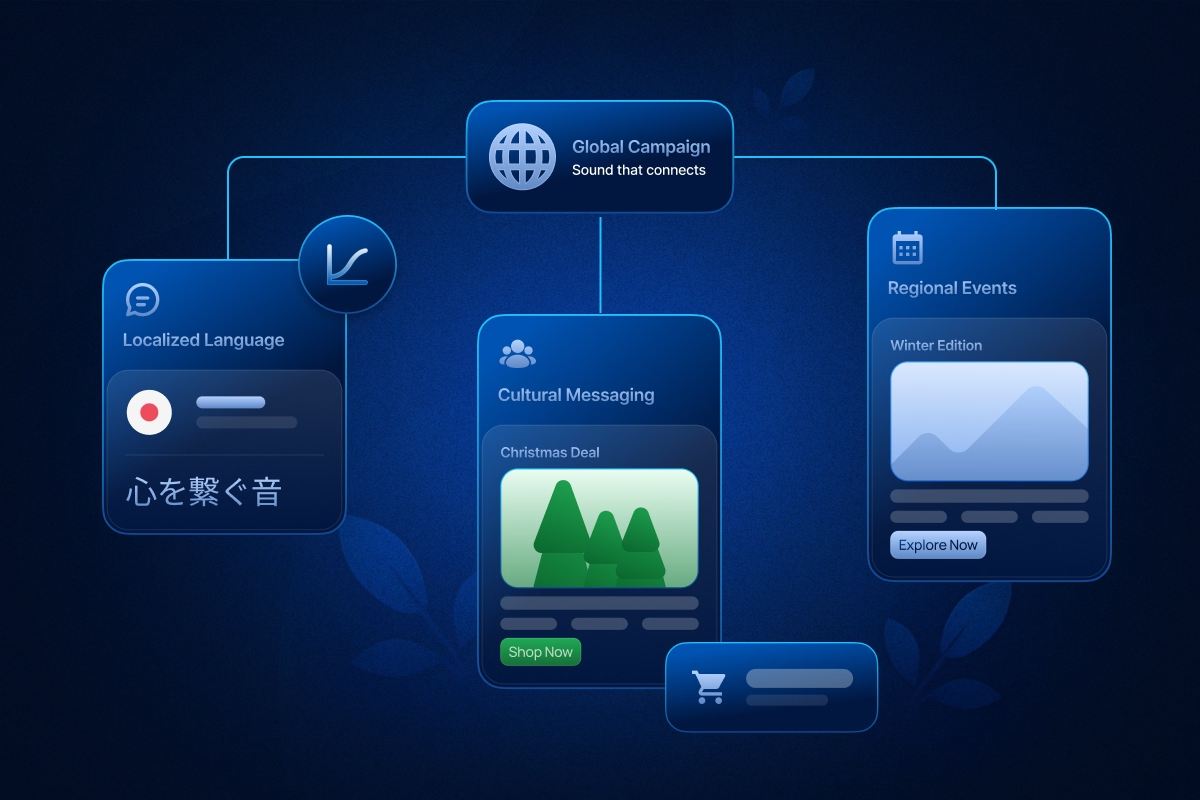
For example:
- Promotions during Ramadan in Muslim-majority regions
- Winter campaigns in colder climates
Relevance increases engagement and conversions.
In Distribution & Supply Chain
Geography plays a major role in how products are delivered.
- Brands prioritize regions with high demand and easier logistics
- Distribution networks are optimized by location
- Some products are only available in specific regions
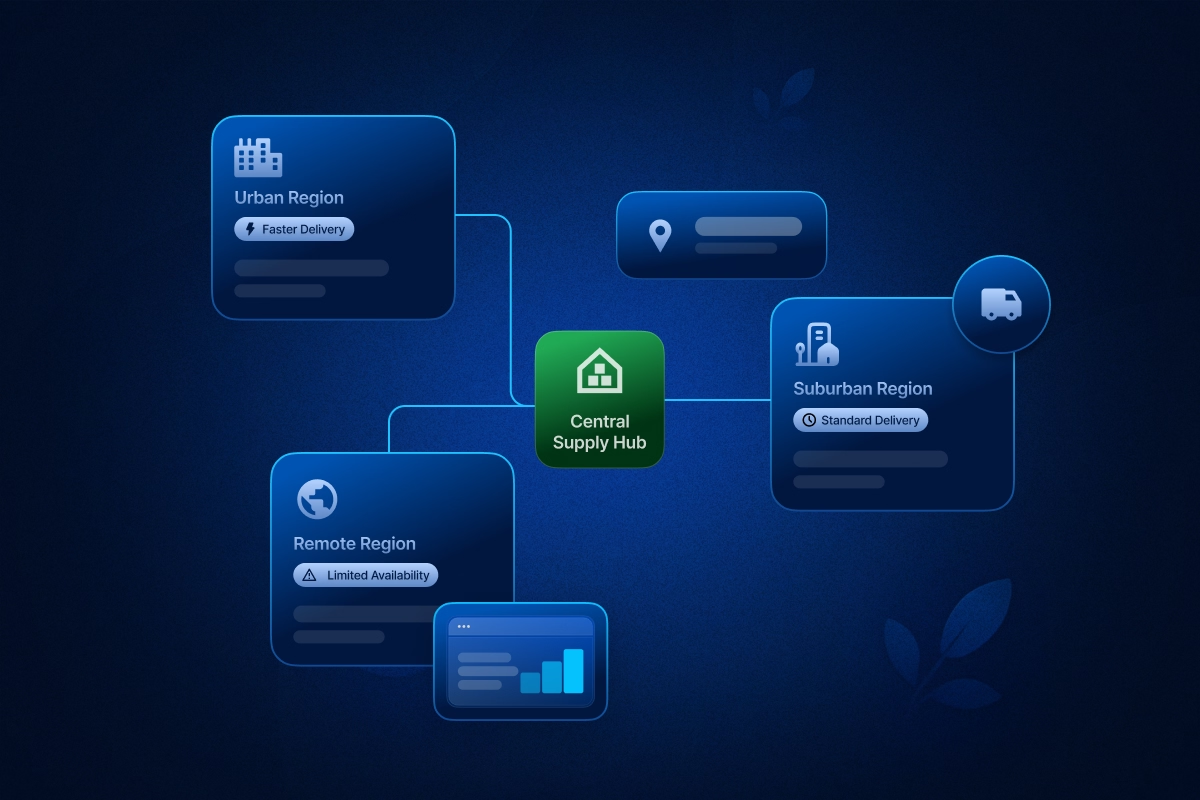
For example:
- Faster delivery in urban areas
- Limited availability in remote regions
Geography directly impacts cost, speed, and scalability.
In Customer Service & Support
Even support strategies are geographically segmented.
- Customer service teams are aligned with time zones
- Multilingual support is provided where needed
- Cultural awareness improves communication quality
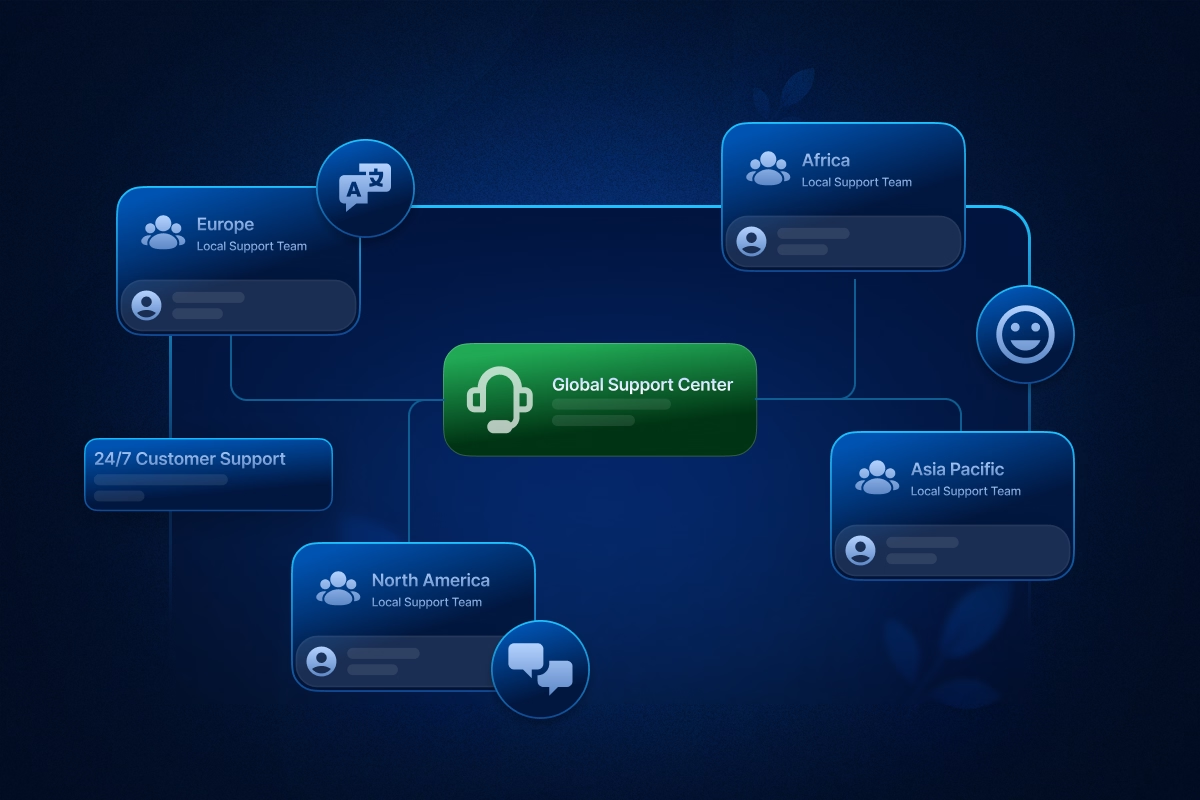
For example:
- 24/7 support for global audiences
- Region-specific support teams for local markets
Better alignment leads to higher customer satisfaction and retention.
Building a Geographic Target Market Strategy Step by Step
Here’s a simple, practical way to apply geographic segmentation:
Step 1: Define your product’s geographic relevance
Ask: Where does this product naturally fit?
- Climate
- Culture
- Infrastructure
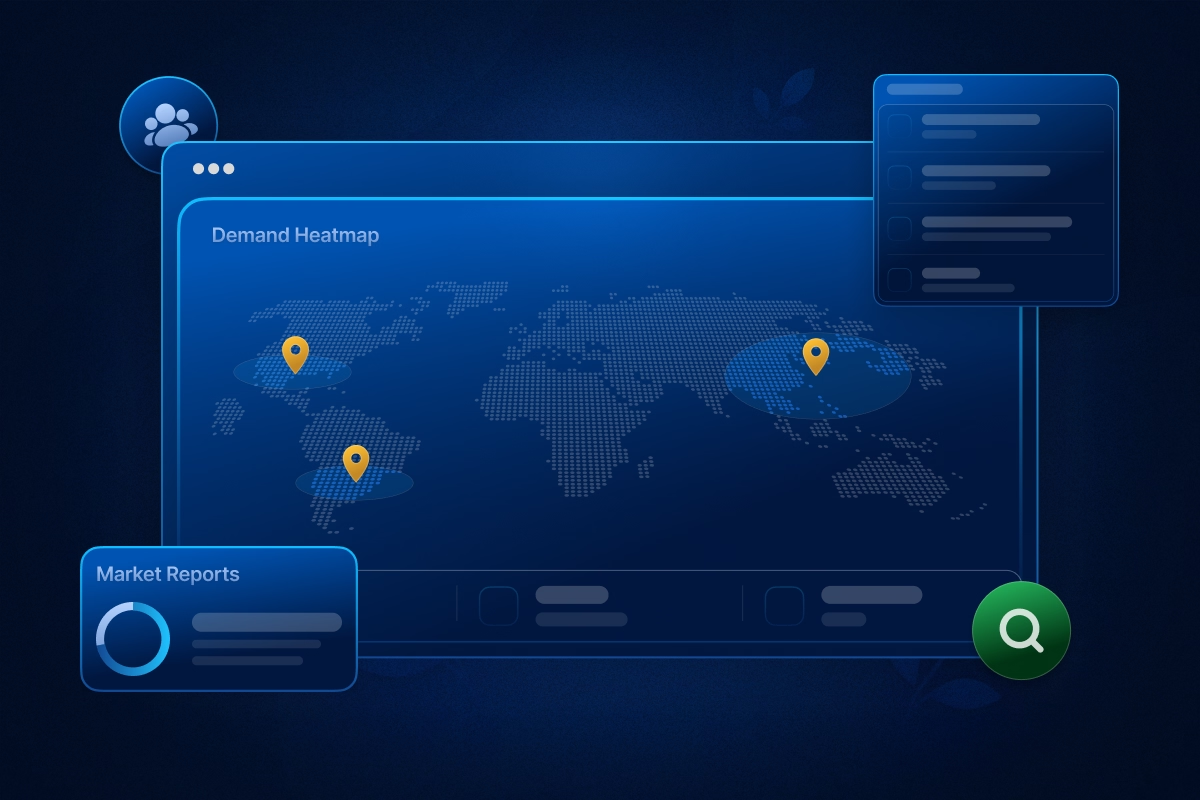
Step 2: Research regional demand and behavior data
Use data sources like:
- Search trends
- Market reports
- Local competitor analysis
Location-based search trends (like “near me”) show how demand varies by region.
Step 3: Segment by geographic priority tiers
Divide your markets into:
- Primary markets (highest demand)
- Secondary markets (growth potential)
- Expansion markets (long-term opportunities)
Step 4: Customize messaging and offers per segment
- Adapt language and visuals
- Adjust pricing or promotions
- Align with local culture and timing
Step 5: Measure performance by region and iterate
Track metrics like:
- Conversion rates by location
- Cost per acquisition (CPA)
- Engagement by region
Then optimize:
- Increase budget in high-performing areas
- Adjust strategy in underperforming regions
Geographic Segmentation in Advertising: How It Works in Paid Campaigns
Geographic segmentation in ads represents the most direct, measurable application of location-based strategy. In paid media, it allows advertisers to control exactly where their ads show, who sees them, and how much they spend per location.
How Geographic Targeting Works in Digital Ads
Most major ad platforms use a mix of signals to determine a user’s location:
- IP address (approximate location)
- GPS data (more precise, especially on mobile)
- Device settings (language, region)
- User behavior (places visited, check-ins, location history)
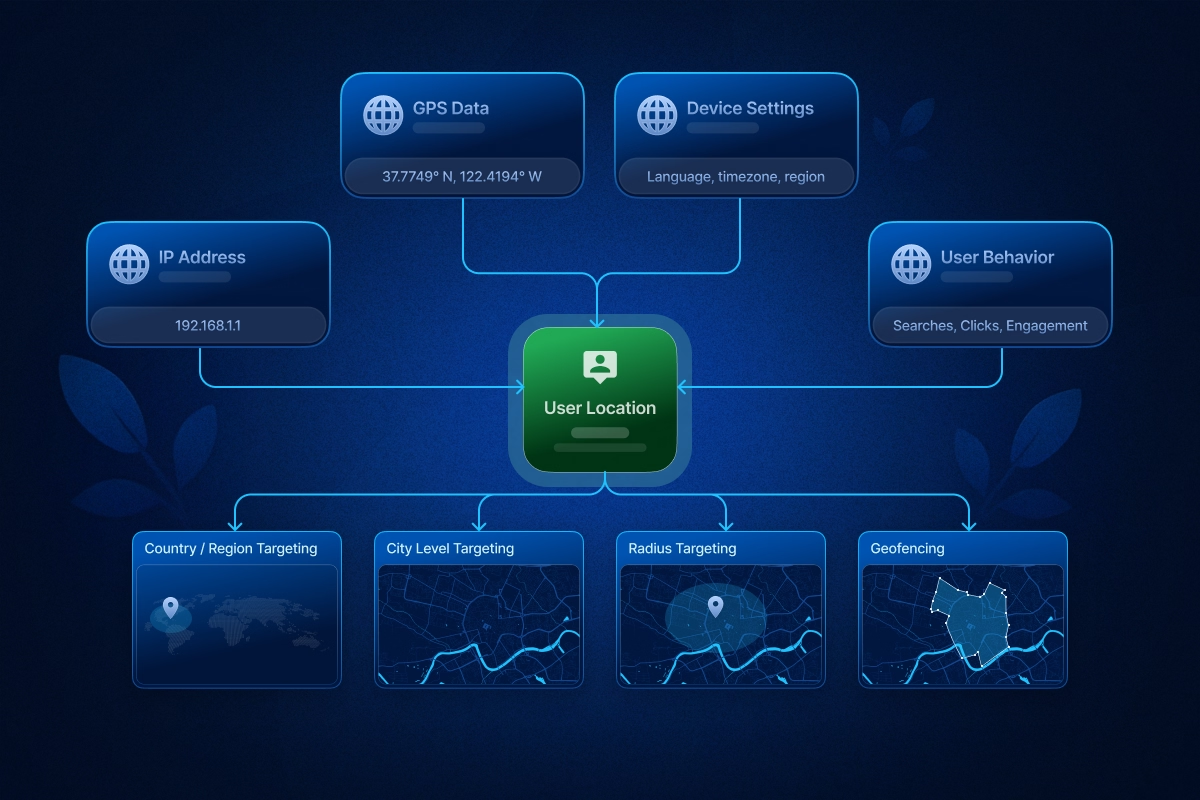
This enables different targeting methods:
- Country/region targeting → broad reach
- City-level targeting → more precise
- Radius targeting → ads shown within a set distance (e.g., 5 km from a store)
- Geofencing → highly specific boundaries (like a mall or event venue)
IP vs. GPS targeting:
- IP-based → less precise, works on desktop and web
- GPS-based → highly accurate, used on mobile apps
Advertisers widely use location data in their campaigns. According to findings of several studies, over 80% of smartphone users keep location services enabled in some form, enabling more accurate targeting.
Geographic Segmentation in Google Ads
Google Ads offers one of the most advanced geographic targeting systems, though how it compares to other platforms matters depending on your target regions. For a full breakdown, see Bing vs Google Ads.
Key features:
- Target by country, region, city, or radius
- Set location-based bid adjustments (increase or decrease bids by region)
- Choose whether to target:
- People in your location
- Or people interested in your location
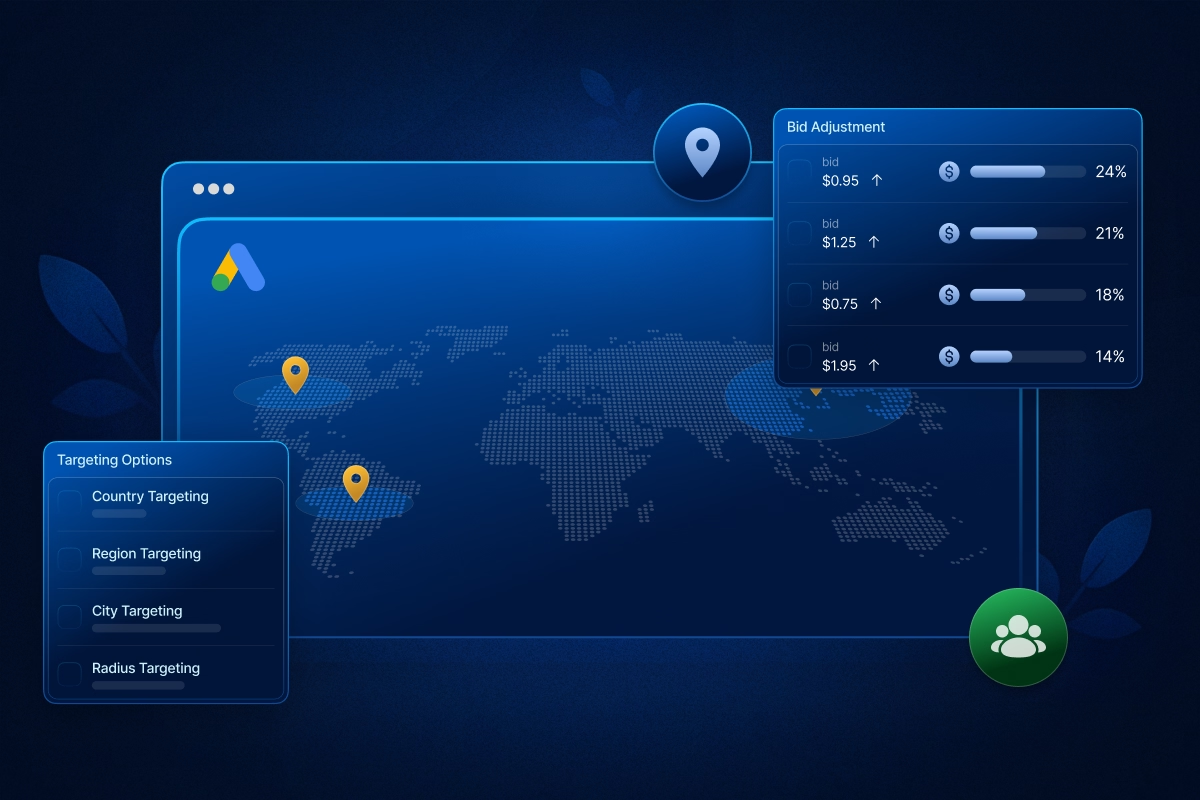
This matters significantly for travel and e-commerce brands. A hotel in Bali should target people interested in Bali (i.e., travelers researching from New York or London), not people physically located in Bali who are already there.
Smart strategy:
- Increase bids in high-converting locations
- Exclude regions where performance is weak
Uproas created an in-depth guide to increase bids in high-converting locations by using Google Ads benchmarks as your baseline for what strong performance looks like by region.
Geographic Segmentation in Meta (Facebook & Instagram) Ads
Platforms like Facebook and Instagram allow very granular location targeting.
You can target:
- Countries
- Cities
- Postal codes
- DMAs (Designated Market Areas)
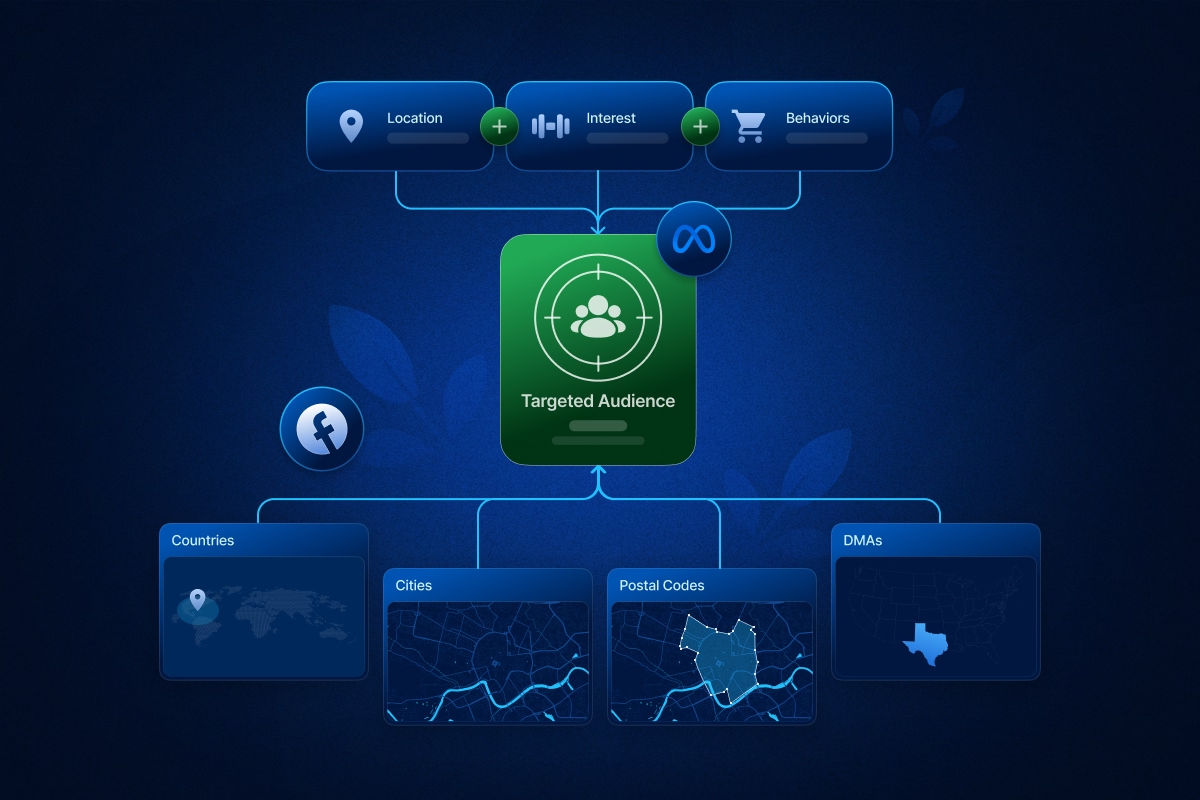
Plus, Meta allows layered targeting, meaning you can combine:
- Location
- Interests
- Behaviors
Example: Target people in Florida who are also interested in fitness and online shopping.
Meta's ad system uses both GPS and user-declared location data to improve accuracy. The Meta Andromeda update has further shifted how the platform prioritizes ad delivery signals, including location.
Geographic Segmentation in TikTok Ads
TikTok has rapidly improved its geographic targeting capabilities. You can now target:
- Countries and regions
- States/provinces
- Cities (in supported markets)
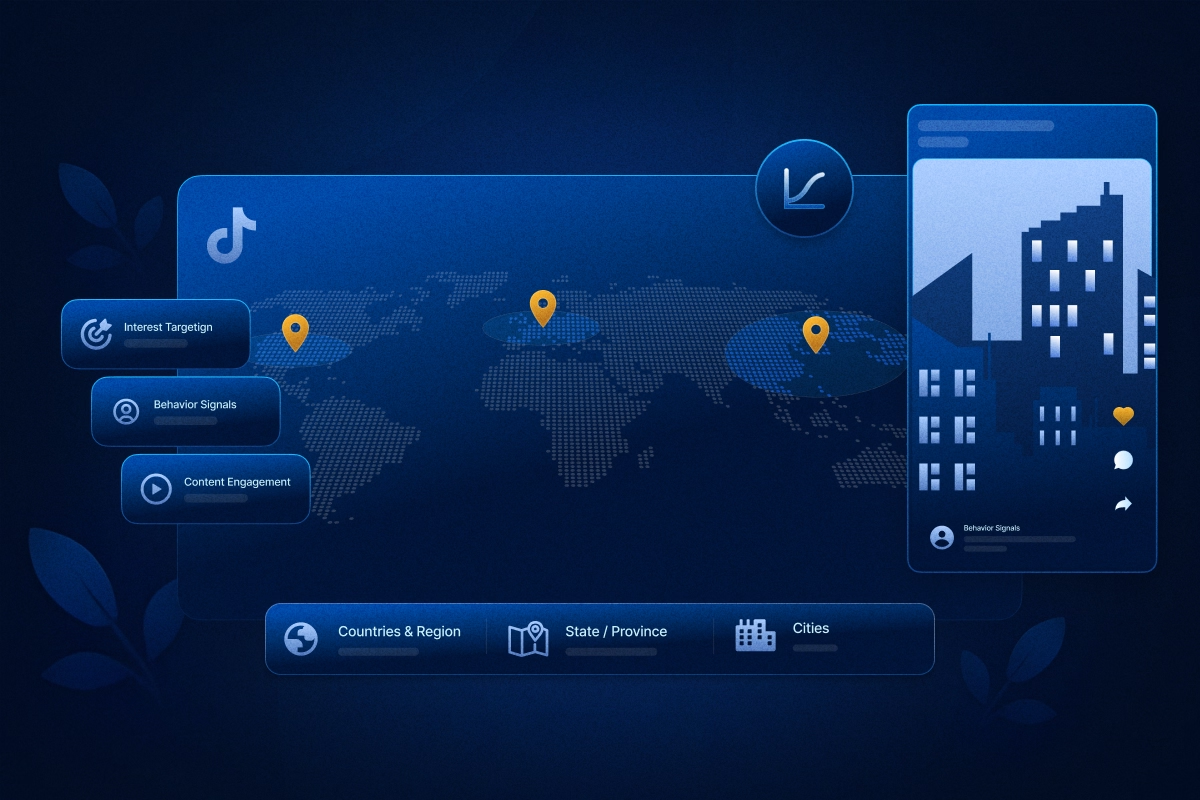
TikTok works best when geographic targeting is combined with:
- Interest targeting
- Behavior signals
- Content engagement
This combination helps improve ROAS by aligning content with both location and user intent. TikTok’s ad platform emphasizes localized content for better performance.
Geofencing as an Advanced Geographic Ad Strategy
Geofencing is one of the most precise forms of geographic segmentation.
What it is:
A method that creates a virtual boundary around a specific location (like a store, stadium, or competitor’s location).
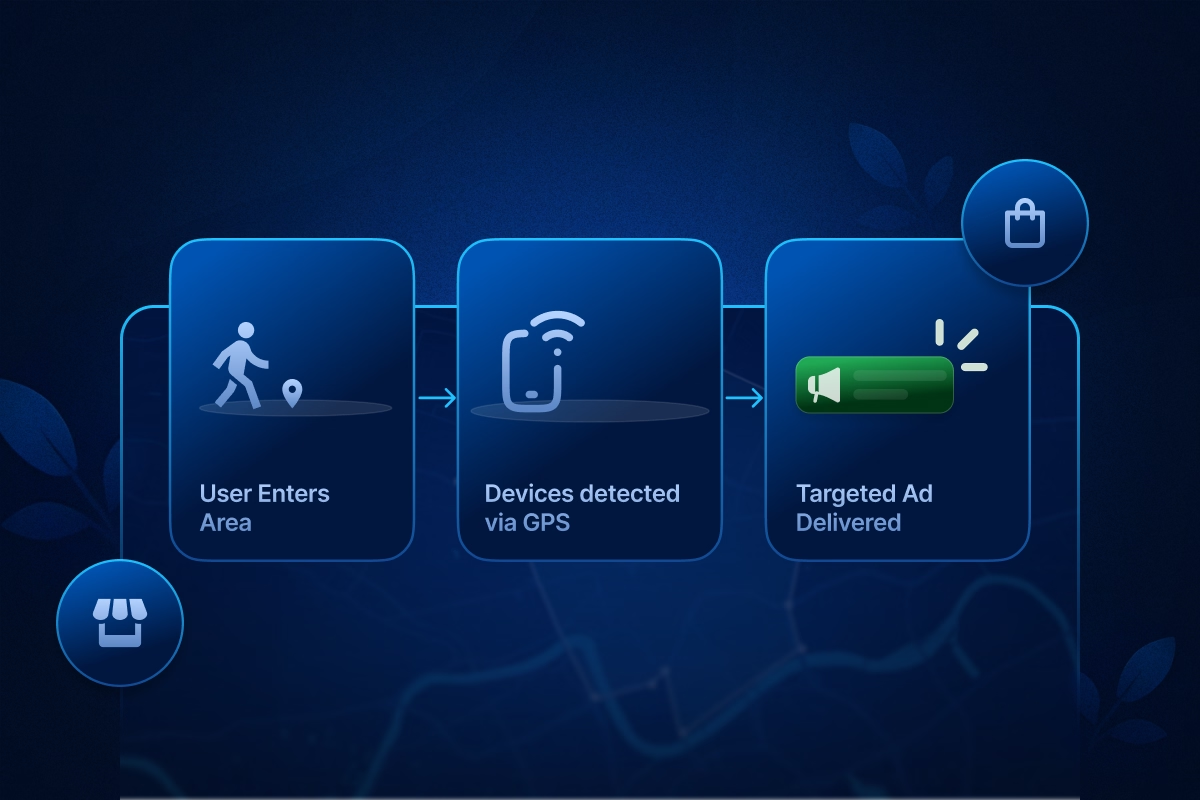
How it works:
- A user enters the defined area
- Detects their device via GPS or app data
- The platform serves them targeted ads
Best use cases:
- Retail stores → target nearby shoppers
- Events → reach attendees in real time
- Competitor targeting → show ads to people visiting rival locations
For example:
- A restaurant can target users within a 1 km radius during lunch hours
- A brand can target users attending a conference or concert
Geofencing is effective because it targets users based on real-world intent and proximity, not just demographics.
Geo-Conquesting
A specific application of geofencing is geo-conquesting: targeting users who are physically located at or near a competitor's location.
How it works:
- A brand sets a geofence around a rival's store, showroom, or service location
- When a potential customer enters that area, they are served an ad from the competing brand
- The ad typically highlights a price advantage, a promotion, or a unique differentiator
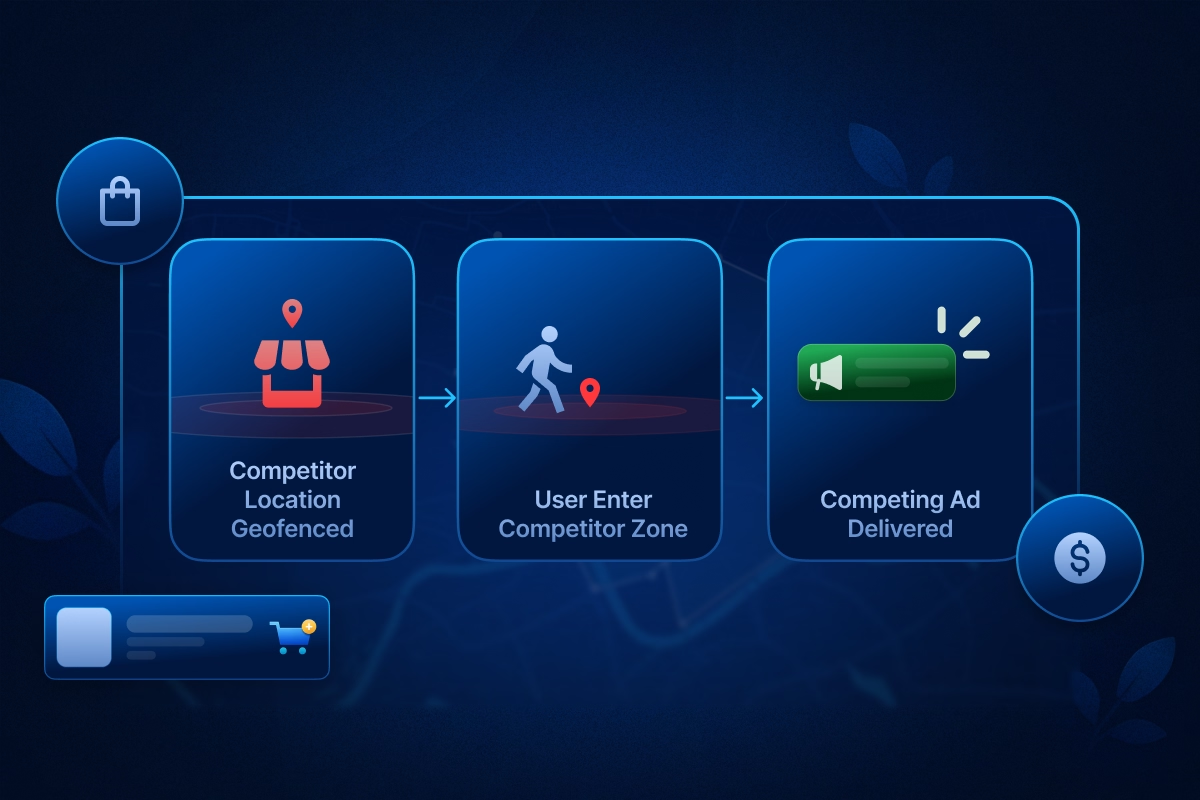
Example: A car dealership sets a geofence around three rival dealerships within a 10 km radius and serves ads promoting a weekend price-match guarantee to users in those areas.
Geo-conquesting is particularly effective in retail, automotive, quick-service restaurants, and financial services. To make it work, you first need to know what your competitors are actually running. Spying on competitor ads is the research step that makes geo-conquesting actionable.
Geo-Exclusion: Targeting by Subtraction
Geo-exclusion is the practice of deliberately removing specific locations from your campaign targeting. It is the flip side of geographic segmentation and equally important.
Common geo-exclusion use cases include:
- Excluding regions where your product is unavailable or not yet launched
- Removing locations with consistently high cost and low conversion
- Eliminating service areas outside your delivery or operations radius
- Excluding competitor headquarters locations to avoid irrelevant clicks
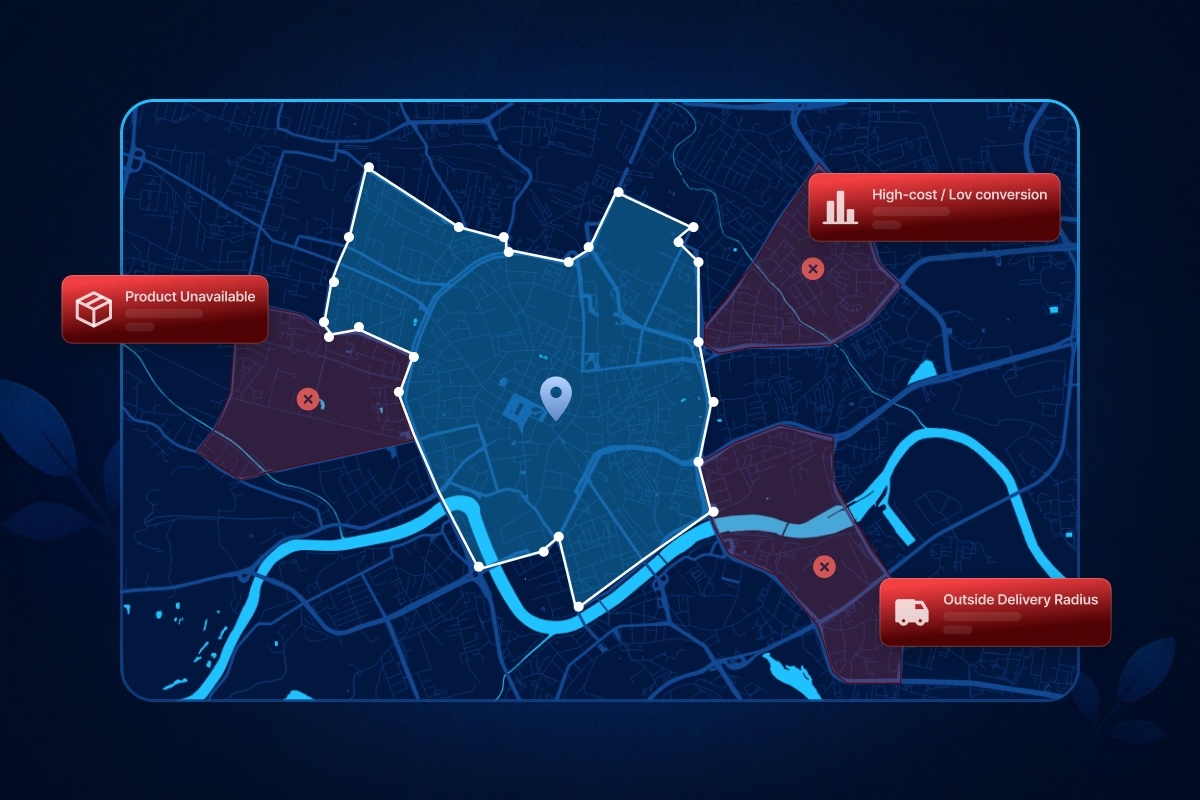
In Google Ads and Meta Ads Manager, advertisers apply geo-exclusions at the campaign or ad set level and combine them with bid adjustments to create a tiered targeting structure across your full geographic footprint.
Key Takeaway
Platform targeting tools are only as effective as the strategy behind them. Know which tier your target market falls in before you build your campaign structure, then use platform features to execute against that priority, not the other way around.
Geographic Marketing Examples: How Real Brands Are Doing It Right
These examples below make the strategy concrete. From global giants to local businesses, each one shows how location-based decisions produce measurable results.
.avif)
- Global brands → adapt products and pricing
- Retailers → drive foot traffic with geofencing
- SaaS companies → expand strategically
- Local businesses → eliminate wasted ad spend
Example 1: McDonald’s Regional Menu Strategy
McDonald's does not serve the same menu everywhere. It adapts food to local culture and dietary habits.
What this looks like in practice:
- India: McAloo Tikki targets a largely vegetarian market
- Japan: Teriyaki Burger matches local flavor preferences
- Middle East: Halal-certified menu meets religious dietary requirements
The lesson: Product localization drives acceptance. A globally recognized brand still wins by thinking locally.
Example 2: Coca-Cola’s Geographic Pricing Model
Coca-Cola adjusts both price and packaging based on where the customer lives.
- Emerging markets get smaller, affordable bottle sizes
- Developed markets get larger, value-oriented packs
The lesson: Pricing strategy should reflect local purchasing power, not a single global standard.
Example 3: A Retail Brand
A clothing retailer sets up geofenced zones within 2 km of each physical store and runs mobile ads targeting nearby shoppers, with time-based offers like evening discounts.
Results geofencing typically drives:
- Up to 2x higher CTR compared to non-location ads
- Measurable foot traffic increases from store visit campaigns
The lesson: Proximity plus timing is a powerful combination for driving in-store visits.
Example 4: A SaaS Brand
A SaaS brand does not enter every market at once. It uses geographic segmentation to prioritize where to expand and in what order.
How they prioritize regions:
- Market size (TAM)
- Competition density
- Language and localization requirements
A common approach is launching in English-speaking markets first, then expanding into markets that require translation and cultural adaptation.
The lesson: Geographic segmentation helps SaaS brands sequence expansion smartly instead of spreading resources too thin.
Example 5: Local Small Business
A plumbing or cleaning business switches from city-wide Google Ads targeting to a 10 to 15 km radius around its service area.
Conclusion
AI changed how marketers use location data but its importance remains the same. Location provides clear signals about consumer needs, affordability, and purchase timing. Modern mobile targeting makes geographic segmentation more effective than ever.
Treating location as optional wastes budget and lowers conversion rates. This foundational input enhances behavioral, demographic, and AI driven targeting layers. Audit your campaigns to identify high performing regions and cut wasteful spending. Use geographic segmentation to fix these performance gaps.
Location has always shaped buying decisions. Now you have the tools to act on it precisely. By using the services of Uproas, which provides multi-regional agency ad accounts and high-trust proxies for localized testing, alongside other relevant services and infrastructure options.
FAQs


Latest blogs
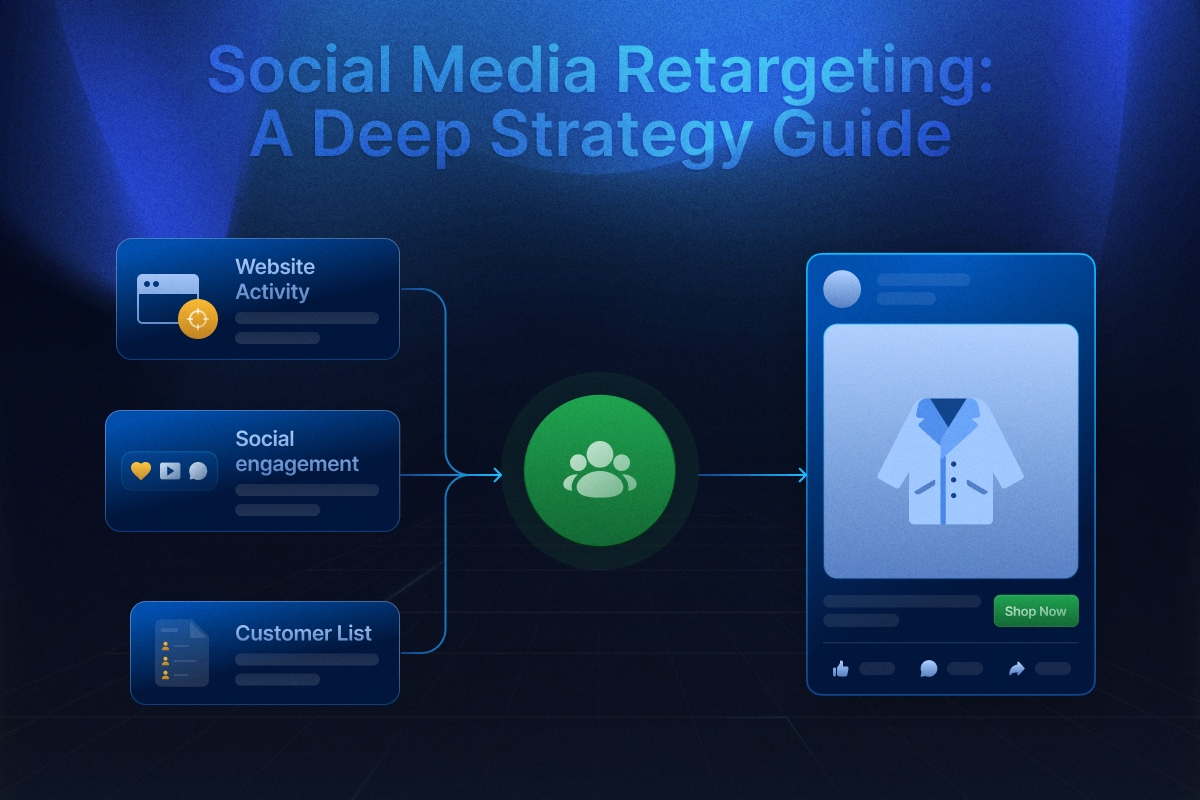
Social Media Retargeting: How It Actually Works and How to Run It Well
A deep dive into how social media retargeting actually works: data sources, audience segmentation, ad formats, sequencing, and how to measure it.

Display Ad Networks: The Types That Matter and How to Choose
Learn how display ad networks work, the main types available, and which networks are worth your budget in this practical, no-fluff buyers guide.
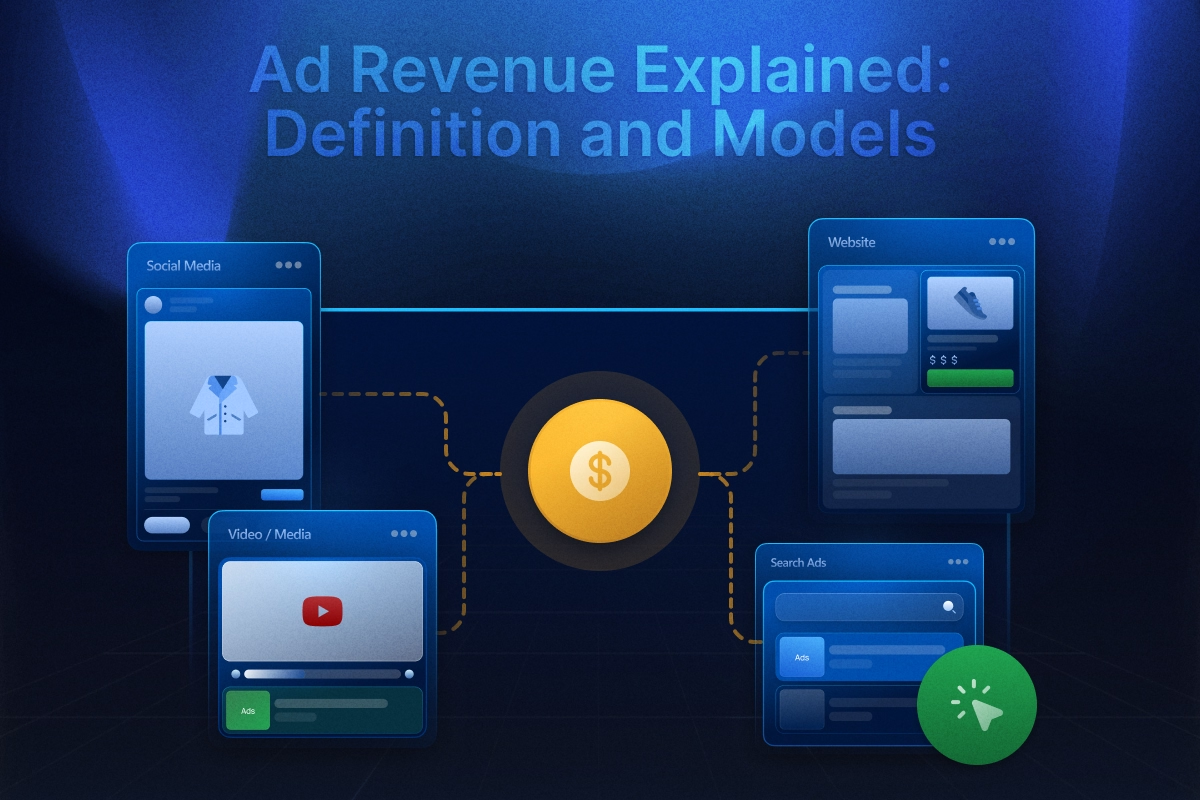
Ad Revenue Explained: How It Works & Key Models
Struggling to scale ad revenue? Learn how CPM and CPC auctions actually work to stop losing money on low bids. Read the full breakdown today!
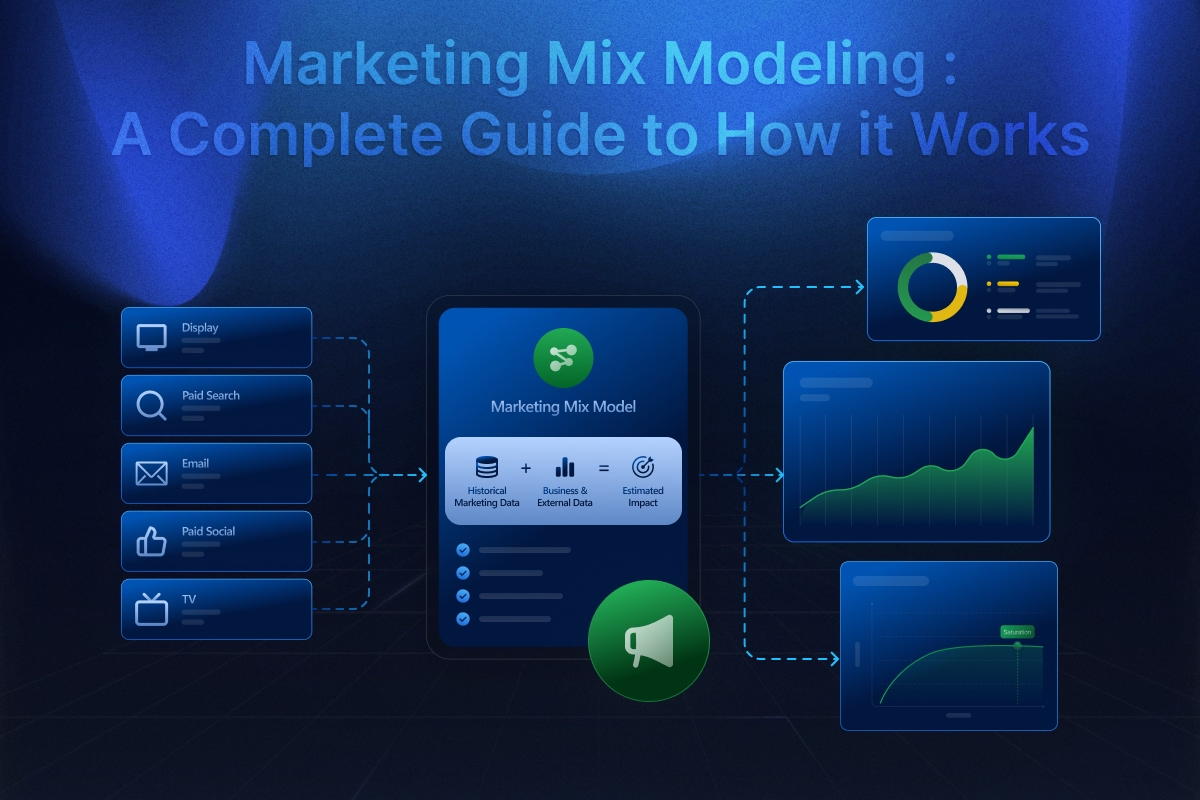
Marketing Mix Modeling: Master Revenue Growth
Stop trusting broken attribution data. Learn how marketing mix modeling bypasses tracking limits to uncover true revenue and optimize ad spend.
Types of Retargeting: The Full Guide for Marketers
Explore major types of retargeting, from pixel-based to dynamic and sequential, and learn how to combine them into a converting campaign.

Targeted Advertising: How It Works and How to Use It Well
Build a bulletproof targeted advertising strategy. Turn raw behavioral data into profitable segments using our step-by-step optimization plan.
Retargeting vs Remarketing: The Difference Every Marketer Needs to Know
Stop treating Retargeting vs Remarketing as identical. Use a precise, high-impact framework to weaponize your data and maximize conversions.

Google Ads Cost: What You'll Really Pay (By Industry, Campaign Type, and Business Size)
Stop wasting budget on vague pricing. See exact 2026 Google ads cost benchmarks by industry, real CPC data, and the formula to reduce your ad spend.

Types of Facebook Ads: A Complete Guide to Every Format in 2026
See all types of Facebook ads, including current specs, placements, and objectives, plus a matching table to pick the right format for your goal.