Social Media Retargeting: How It Actually Works and How to Run It Well

Social Media Retargeting gives you a smart way to reach interested buyers. Apps like Facebook and Instagram gather clear details on how people interact with posts. Since millions check these feeds every single day, showing targeted ads on social platforms brings great results.
This guide skips simple rules to focus directly on advanced tactics. You will learn where your audience data comes from and how to group users by their actions. We also explain how to pick the right ad style for each visitor. Finally, you will see how to run a campaign that keeps bringing customers back without annoying them with too many ads.
What Social Media Retargeting Actually Is
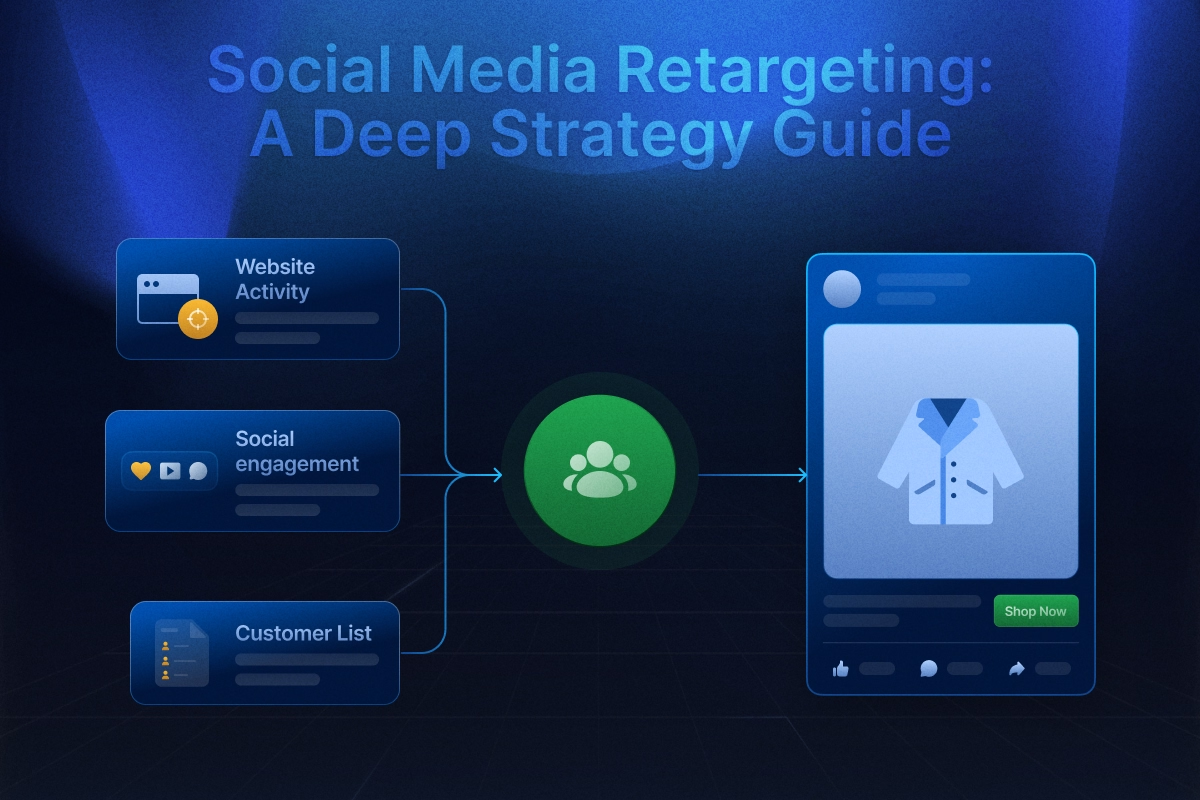
Social media retargeting shows targeted ads to people who previously connected with your brand. You can build these audience groups using three primary sources.
The first source relies on website traffic. A tracking code on your site records when someone views a product page or adds an item to a cart. The social app uses that data to show follow-up ads for those exact items.
The second source relies on social platform engagement. This includes people who watch your video clips, engage with your posts, or visit your profile page. They interact entirely inside the social app.
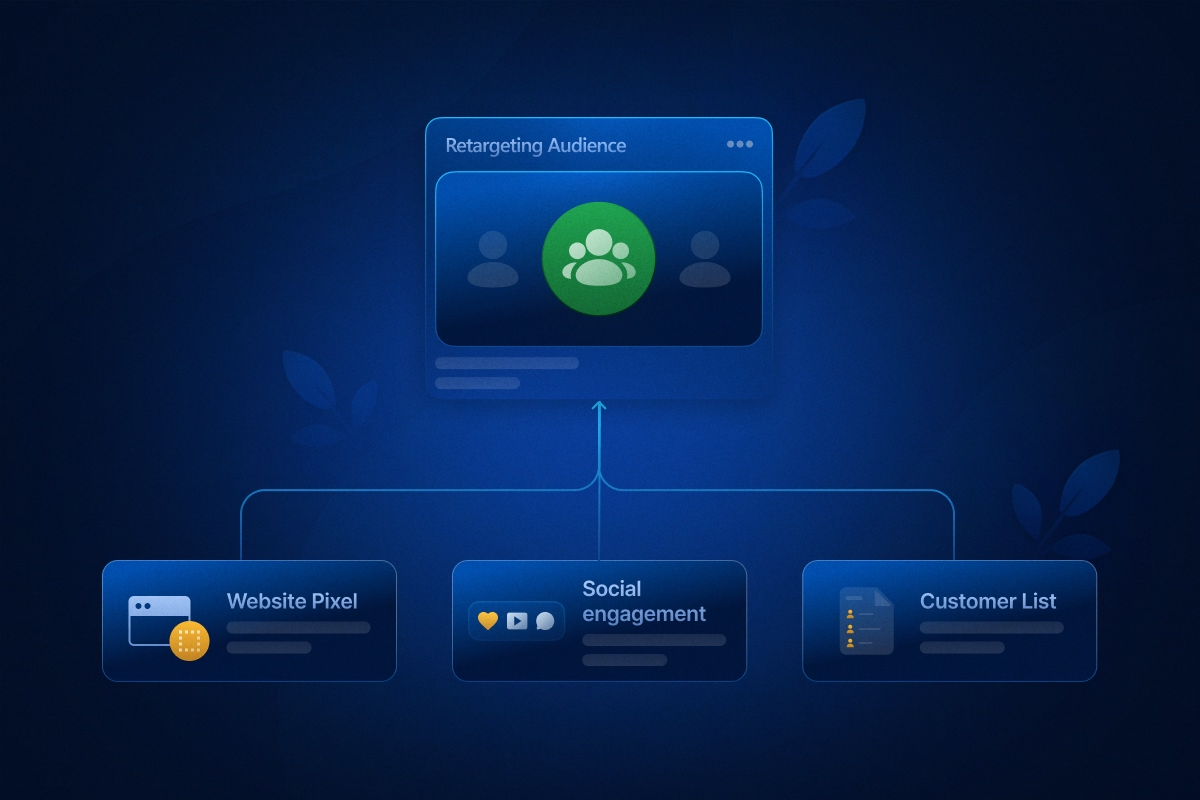
The third source relies on offline customer data. You can export email lists or phone numbers from your customer system and upload the file into your ad account. The social network matches those contacts to user profiles on the platform.
Each source tells you something different about the buyer. Website visitors are comparing products. Social media engagers are learning about your brand. Customers from your upload list have already bought from you. Creating custom ad messages for each category improves your results.
Social Media Retargeting vs. Social Media Remarketing
People swap the terms retargeting and remarketing all the time. When talking about social media advertising, almost everyone treats both words as identical.
Some experts still separate the two terms. They use retargeting when talking strictly about paid advertisements that target past visitors. They use remarketing when talking about a full strategy to reconnect with past customers. That strategy can include email messages, sales calls, and regular social media posts on top of paid ads.
Social networks make this division tricky to notice. A business often runs paid ads while making free posts for the exact same group of people. In daily work, treating both terms as interchangeable causes no problems. Most software and marketers already treat them as synonyms.
The Data Sources Behind Social Media Retargeting
Knowing which data source created a specific audience list shapes how you run your campaign. It helps you divide your audience into smaller groups, pick the right ad format, and track how fast your list refreshes over time.
Website Pixel Data Synced to Social Platforms
You place a tracking pixel on your website pages. The pixel fires when a customer browses an item, adds a product to the cart, or completes checkout. The system then sends that activity data directly to the social ad dashboard to form a target group.
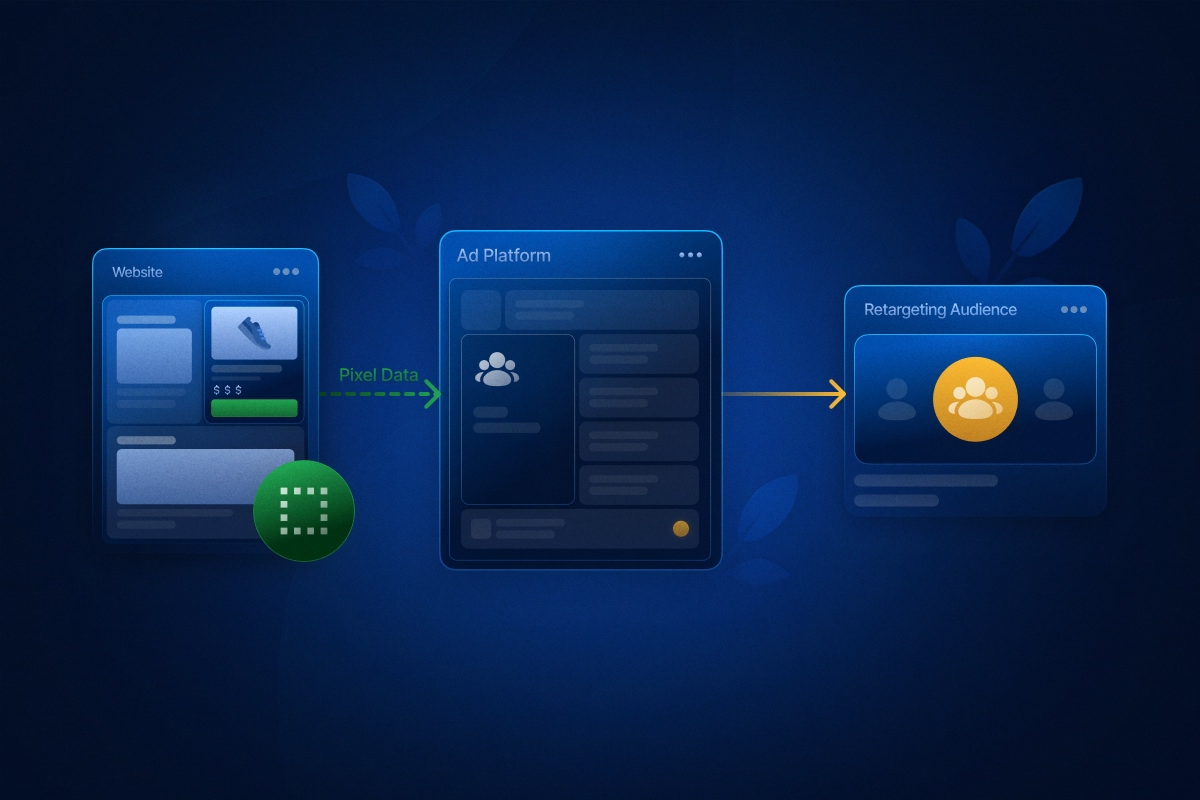
The social platform receives the data and connects that visitor to a specific user account when possible. Once connected, that user becomes part of your retargeting campaign.
Any ad channel uses this same basic method to track website visits. On social networks, the only change is where the ad appears. Your audience sees the ad inside their app feed instead of on other websites.
Customer List and CRM Uploads
You do not need website tracking for the second data source. Instead, a business uploads a list of contacts to the social media ad manager. This list might contain newsletter readers, previous leads, or returning buyers. The ad platform compares the email addresses or phone numbers in your file against its own users to find matches.
Companies use this feature in two different ways. You can target your contacts directly to encourage repeat orders or offer special perks to past customers. Alternatively, you can exclude your contact list from advertising campaigns meant for brand new shoppers. This prevents your business from wasting ad budget showing basic sales offers to people who already bought from you.
One downside is that list data goes stale quickly compared to web traffic. A file only reflects the exact list of names you had on the day of the upload. Keeping this strategy effective requires regular updates. You can handle these updates through manual re-uploads or by setting up automatic CRM syncing with your ad account.
Native Platform Engagement Data
Social platforms offer a third data source that other advertising channels cannot match. It measures activity that happens completely inside the social app. Visitors do not need to leave for your website at all.
This source looks at actions like watching a video clip for a few seconds or leaving a comment on a post. It tracks profile views, post shares, and ad clicks that did not turn into a sale. All these actions happen on the platform. This lets you reach engaged users who never clicked over to your site. Standard website tracking misses this group entirely.
In app tracking also works around browser privacy blocks that limit website retargeting today. Many web browsers now stop tracking codes from following users across different sites. Watching a video or checking a profile inside a social app never leaves that app. That means web browsers cannot block this information.
Segmenting Social Retargeting Audiences by Engagement Depth
Knowing your audience data source leads to your next step. You now divide that audience into refined categories. How deeply a user interacts with your brand is a top metric for making these divisions on social platforms.
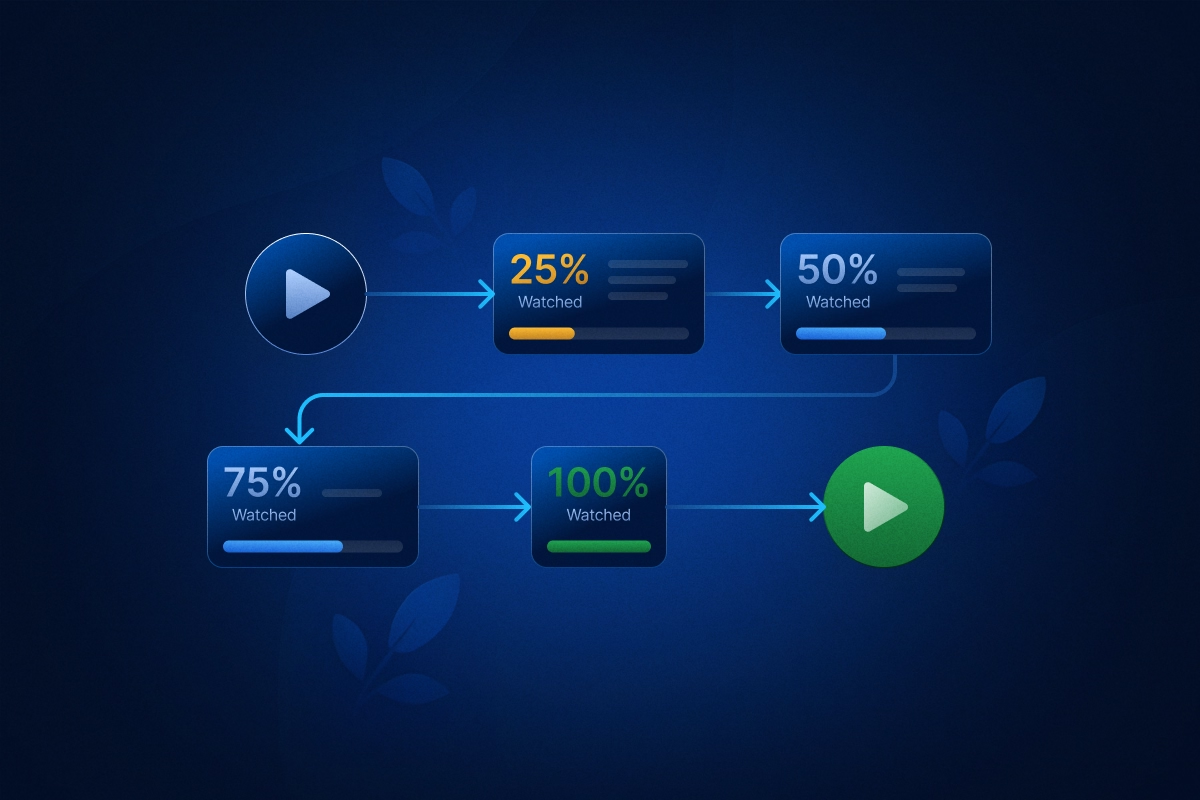
Looking at video watch times makes this easy to see. Imagine two people where one watches 25% of a video and the other watches 95%. Both count as viewers in your reports. They have very different levels of interest. Social ad tools let you craft separate target groups at 25%, 50%, 75%, and full view points. Higher watch times signal a much warmer audience.
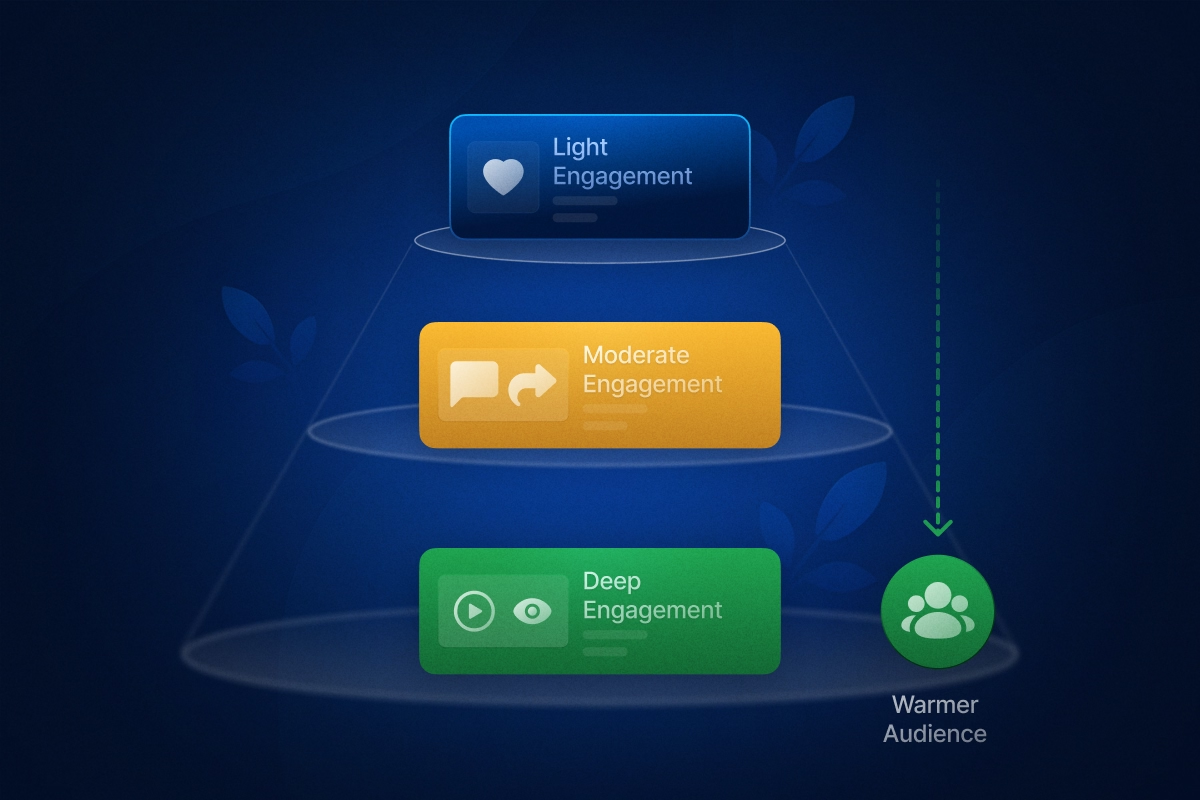
The same logic applies to other content. You can organize post engagement by action type. Writing a comment or sharing a post indicates more care than just pressing the like button.
You can also organize by date. Someone engaging last week is a much hotter prospect than someone engaging eight months ago. Checking out a profile page shows basic curiosity. Clicking an ad proves that your ad creative spoke to them.
The takeaway is simple. Interaction depth and recent activity mean much more than the basic fact that someone clicked your content. Two lists might both claim to be audiences who engaged with your posts. They will still perform in opposite ways if one list holds light, old actions and the other holds recent, meaningful actions.
Ad Formats That Work Well for Social Retargeting
You should choose your ad format based on how someone interacted with your brand. Do not just use the same ad style everywhere because it is easier.
People who look at product pages or leave items in a shopping cart respond best to carousel ads or dynamic ads. These ads automatically show the exact items a buyer viewed earlier. This approach works better than a generic store message. It speaks directly to what the buyer already wanted.
People who watched part of a video respond better to short form videos. A short video matches the style that originally caught their eye. You can use this new video to build on the original topic or give a stronger push to buy. This works better than showing the exact same clip again.
People with lighter interactions need a different style. Someone who only liked a post or checked out a profile page responds best to a strong brand message. Pushing a hard sale too early fails because that person has not shown deep interest yet. Matching your ad format to how people interact simply applies your segmentation rules to what users see on their screens.
Sequencing and Frequency in Social Retargeting Campaigns
Social platforms create a specific version of a general retargeting challenge: ad fatigue. People tend to open social apps multiple times a day. A retargeting audience on social media can see the same ad far more often, in a much shorter window, than it would on the open web or through email. Without deliberate frequency management, a social retargeting campaign can lose its effectiveness in days rather than weeks.
The core idea is sequencing your messaging over time instead of repeating one static ad. This applies to socials the same way it applies to retargeting generally. Start with a broader reminder or brand message, then progress toward a more direct offer as engagement continues.
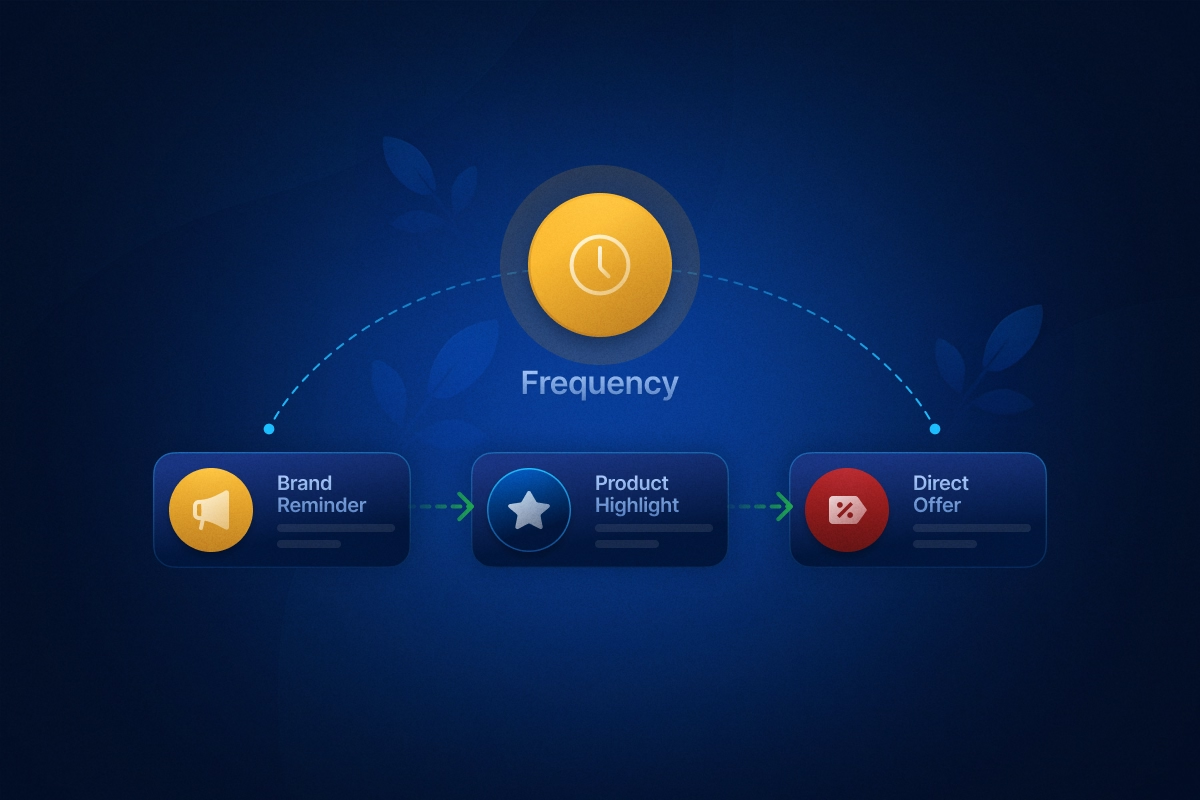
What is specific to the social context is pacing. Because the audience checks the platform so often, your sequence needs to move faster than it would elsewhere. Active frequency capping becomes essential alongside any sequence. Even a well-structured sequence can feel repetitive if the same person sees each stage too many times before moving to the next
Refreshing creatives on a regular cadence matters more on social specifically than it does on most other retargeting channels. This is because of that same exposure frequency. An ad that feels reasonable when seen twice over a month on the open web can feel stale when seen five times in a single week inside a social feed.
Cross-Platform Social Retargeting Considerations
Most brands running social retargeting are not limited to a single platform. Retargeting the same audience across more than one platform at once introduces a coordination challenge that a single-platform campaign does not have.
The first issue is audience overlap. A meaningful share of any two social platforms' user bases overlap with each other. The same person can end up in a retargeting audience on more than one platform at the same time.
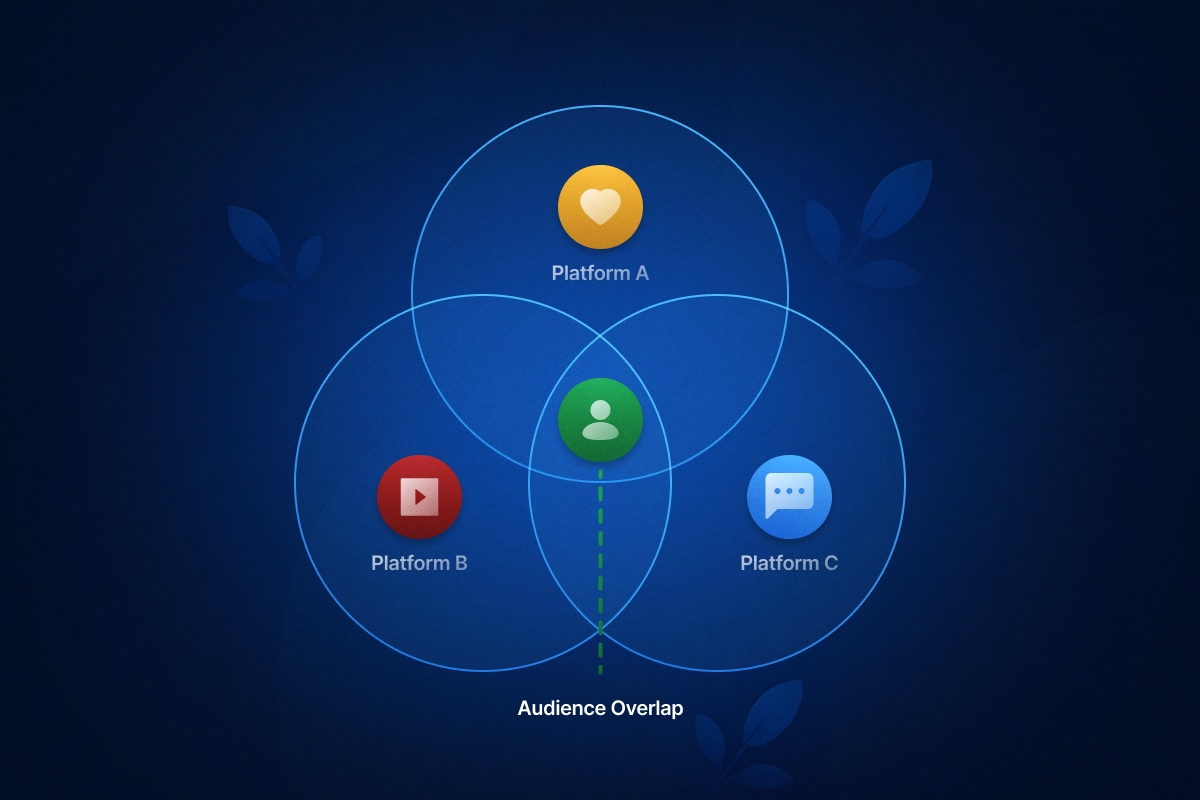
Without deliberate frequency management across platforms, not just within each one individually, that same person may see your ads repeatedly across their entire social feed. This compounds the fatigue risk described above instead of spreading it out.
The second issue is spend efficiency. Running the same retargeting audience across multiple platforms at once means paying to reach some of the same people more than once. This is not automatically a waste, since reinforcement across different contexts can genuinely help. It does mean the effective cost of reaching your full unique retargeting audience is higher than the sum of each platform's individual cost per result would suggest.
Think in terms of total unique reach across platforms combined instead of treating each platform's results as fully independent. This gives a more accurate picture of what a cross-platform social retargeting effort actually costs and delivers.
Common Mistakes in Social Media Retargeting
Retargeting Too Broadly Without Segmentation
Lumping every type of past interaction into one undifferentiated "engaged users" audience wastes the segmentation data social platforms provide. A five-second video view and a completed purchase inquiry are not the same signal. Every person in that broad audience ends up getting the same message, regardless of how warm they actually are.
Retargeting Customers Who Already Converted
Without an active exclusion in place, a recent purchaser can end up back in a retargeting audience built from an earlier stage of their journey. They see an ad trying to convince them to do something they have already done. This wastes budget and can make a brand look inattentive to its own customers.
Running Campaigns Without Frequency Caps
If you set up a retargeting campaign once and leave it alone, it tends to degrade over time. Its audience ages, its creative goes stale, and its frequency climbs unchecked. Regular review, refreshed creative, updated exclusions, and enforced frequency caps are what keep a social retargeting campaign performing months into its life, not just in its first few weeks.
Measuring Social Media Retargeting Performance
Evaluating whether a social retargeting campaign is actually working requires looking at a few specific metrics. It also requires resisting the urge to compare its numbers directly against a prospecting campaign on the same platform.
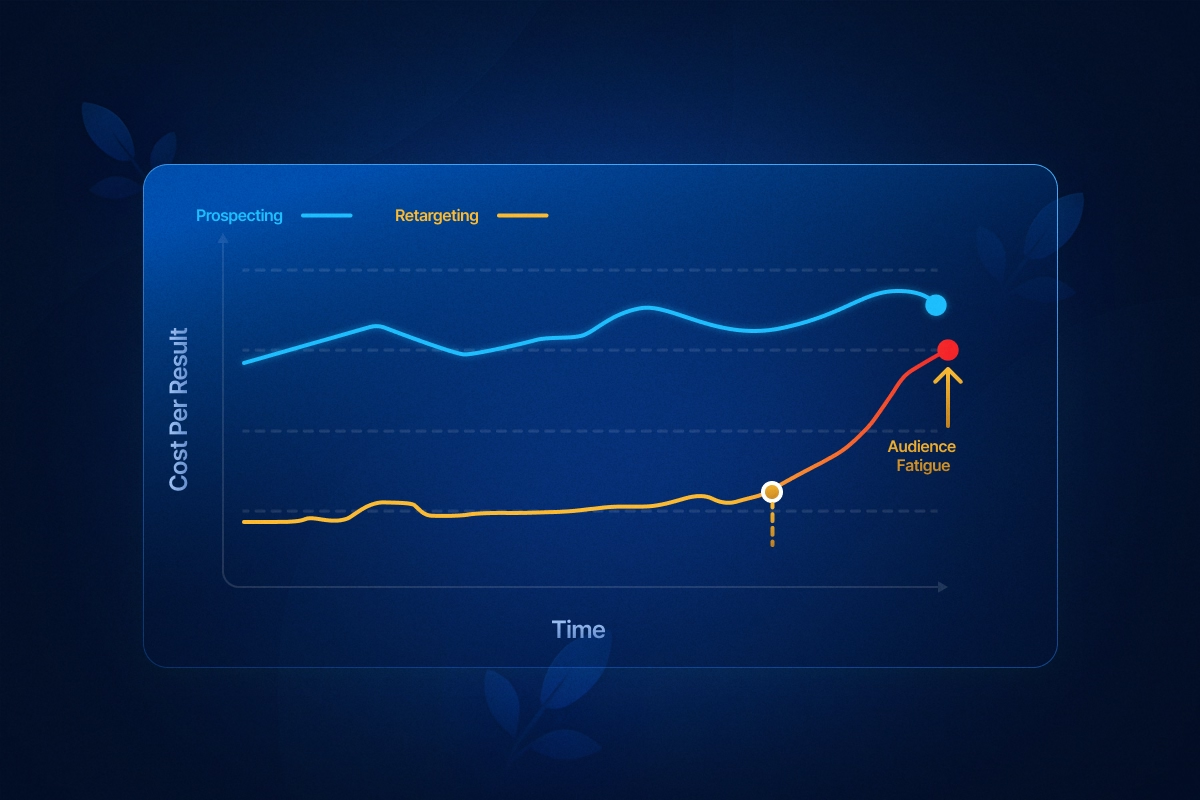
Frequency is one of the most important health metrics to watch in a retargeting context. It gives you a direct read on the fatigue risk described earlier. A retargeting campaign with climbing frequency and declining engagement is showing you real-time evidence of an audience wearing out.
View-through conversions are also more relevant here than they typically are in prospecting. These are people who saw a retargeting ad but converted later without directly clicking it. Retargeting audiences are often already close to a decision, so they may act on their own shortly after seeing a reminder ad instead of clicking straight through.
Cost per result on a retargeting campaign will typically look better than the same metric on a prospecting campaign running at the same time. This is expected. It is not a sign that prospecting is failing.
Retargeting audiences are, by definition, warmer than a cold prospecting audience. A direct side-by-side comparison of cost per result between the two does not measure campaign quality. It largely measures audience warmth.
A more useful comparison is tracking a given retargeting audience's own performance over time. Watch for the point where its efficiency starts declining as the audience ages or fatigue sets in. This tells you more than benchmarking it against a fundamentally different, colder audience.
How Social Retargeting Fits Into a Broader Retargeting Strategy
Social retargeting rarely works best as a standalone effort. It typically complements site retargeting on the open web and email retargeting aimed at your existing contact list. Each channel reaches the same broad audience through a different context and, often, a different data source.
Social specifically tends to earn a larger share of a retargeting budget when a brand has strong native engagement: an active video or content presence and real post and profile interaction. That is exactly the kind of first-party signal social platforms are uniquely positioned to use.
It also tends to be a strong fit when the audience genuinely spends meaningful time on social platforms daily, which describes most audiences. That makes the exposure frequency advantage described earlier a genuine asset rather than purely a fatigue risk to manage.
TL;DR: Social Media Retargeting at a Glance
Conclusion
Social media retargeting works best when audience segmentation and ad format both trace back to the specific engagement signal that triggered the retargeting.
Treating every past interaction as interchangeable wastes the data social platforms actually give you. Getting the data source right, matching format to depth of engagement, and managing frequency across a fast-moving, multi-platform environment is what separates a retargeting effort that compounds over time from one that fatigues its own audience within weeks.
Review your current segmentation and frequency settings before adding more retargeting budget. If you are ready to build out a social retargeting approach suited to your specific audience and data, Uproas can help you put the structure in place.
FAQs


Latest blogs
Social Media Retargeting: How It Actually Works and How to Run It Well
A deep dive into how social media retargeting actually works: data sources, audience segmentation, ad formats, sequencing, and how to measure it.
Display Ad Networks: The Types That Matter and How to Choose
Learn how display ad networks work, the main types available, and which networks are worth your budget in this practical, no-fluff buyers guide.
Ad Revenue Explained: How It Works & Key Models
Struggling to scale ad revenue? Learn how CPM and CPC auctions actually work to stop losing money on low bids. Read the full breakdown today!
Marketing Mix Modeling: Master Revenue Growth
Stop trusting broken attribution data. Learn how marketing mix modeling bypasses tracking limits to uncover true revenue and optimize ad spend.
Types of Retargeting: The Full Guide for Marketers
Explore major types of retargeting, from pixel-based to dynamic and sequential, and learn how to combine them into a converting campaign.
Targeted Advertising: How It Works and How to Use It Well
Build a bulletproof targeted advertising strategy. Turn raw behavioral data into profitable segments using our step-by-step optimization plan.
Retargeting vs Remarketing: The Difference Every Marketer Needs to Know
Stop treating Retargeting vs Remarketing as identical. Use a precise, high-impact framework to weaponize your data and maximize conversions.

Google Ads Cost: What You'll Really Pay (By Industry, Campaign Type, and Business Size)
Stop wasting budget on vague pricing. See exact 2026 Google ads cost benchmarks by industry, real CPC data, and the formula to reduce your ad spend.

Types of Facebook Ads: A Complete Guide to Every Format in 2026
See all types of Facebook ads, including current specs, placements, and objectives, plus a matching table to pick the right format for your goal.